Understanding the Scissor Lift: An Overview
What is a Scissor Lift?
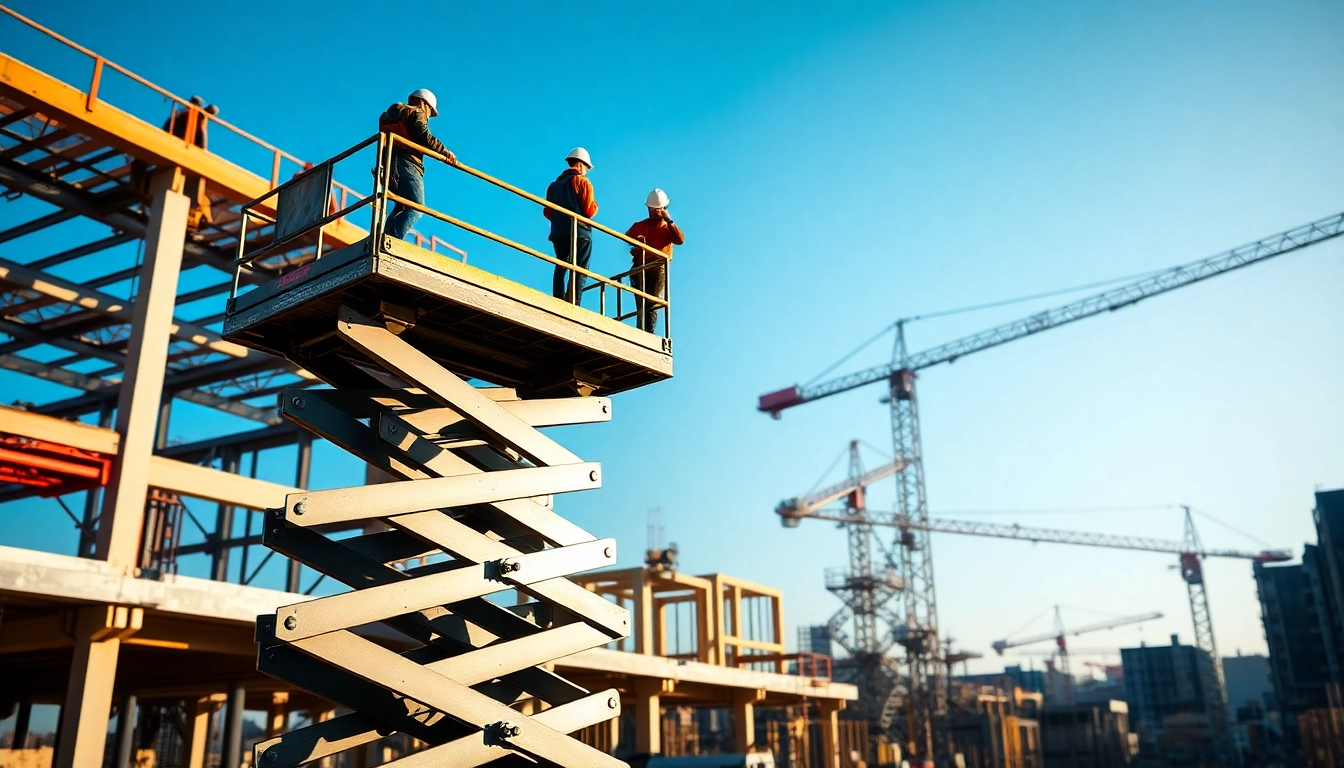
A scissor lift is an aerial work platform that allows workers to reach elevated areas safely and efficiently. Built using a unique crisscross mechanism, the platform moves vertically while providing stability, making it ideal for various applications in construction, maintenance, and warehousing. It's designed for both indoor and outdoor use, offering flexibility and versatility in lifting personnel and materials across a range of heights.
Key Components of a Scissor Lift
Understanding the essential components of a scissor lift can help maximize its functionality and ensure safe operation. The critical components include:
- Platform: The surface where operators stand, typically equipped with guard rails for safety.
- Base: The foundation of the lift that houses the main components and ensures stability.
- Hydraulic System: Responsible for raising and lowering the platform, offering powerful lifting capabilities.
- Controls: The interface through which operators command the lift; may include manual and remote options.
- Safety Mechanisms: These include emergency stop buttons, safety railings, and load sensors that prevent overloads.
Types of Scissor Lifts Available
Scissor lifts come in various types to suit different environments and project requirements:
- Electric Scissor Lifts: Best suited for indoor environments where emissions need to be minimized. They are notably quiet and provide maneuverability in tight areas.
- Rough Terrain Scissor Lifts: Designed for outdoor applications, these lifts can navigate uneven surfaces and provide higher ground clearance.
- Low-Level Scissor Lifts: Ideal for tasks requiring access to lower heights; typically lighter and easy to maneuver.
- Compact Scissor Lifts: These are designed for constrained spaces, allowing operators to work in tighter indoor settings.
Benefits of Using a Scissor Lift
Safety Advantages for Work at Height
Using a scissor lift significantly enhances safety when working at heights. The stable base and guard rails reduce the risk of falls, while the various built-in safety features (like emergency stops) help to prevent accidents. Regular training for operators further reinforces safety practices and hazard awareness.
Enhanced Efficiency and Productivity
Scissor lifts allow workers to reach higher areas more quickly than ladders or scaffolding. This efficiency not only speeds up tasks but also increases productivity by allowing workers to focus on their work rather than unsafe climbing practices. A well-operational scissor lift can result in significant time savings on projects.
Versatility Across Different Industries
Scissor lifts are utilized in a wide range of industries, including construction, maintenance, telecommunications, and even retail. From installing lighting fixtures to conducting roof inspections, their versatility makes them an indispensable tool, adaptable to numerous tasks and settings.
How to Choose the Right Scissor Lift
Assessing Your Project Requirements
Before selecting a scissor lift, assess the specifics of your project. Consider the height you need to reach, the weight of the materials and personnel involved, as well as the ground conditions. Each of these factors will influence your appropriate choice of lift type.
Comparing Electric vs. Rough Terrain Models
Electric scissor lifts are typically favored for indoor use due to their lower emissions and noise levels. However, if your project requires outdoor operation on uneven terrain, rough terrain models are designed to withstand such conditions, providing greater stability and mobility outdoors.
Evaluating Lift Height and Capacity Needs
Assess the required lift height and the load capacity of the scissor lift. Common height ranges can span from 10 to 70 feet. It's crucial to choose a model that not only reaches your desired elevation but can also safely support the combined weight of operators and equipment.
Best Practices for Safe Operation of Scissor Lifts
Comprehensive Safety Training for Operators
Ensuring that all operators undergo thorough training is one of the most critical components of safe scissor lift usage. Training should cover proper operating procedures, emergency protocols, and the importance of wearing personal protective equipment (PPE).
Regular Maintenance and Inspections
Routine maintenance helps to ensure that a scissor lift operates effectively and safely. Inspections should include checking hydraulic systems, testing safety features, and ensuring there are no physical damages that could hinder safe operation.
Adhering to Weight and Load Limits
Each scissor lift model comes with specific load limits that should never be exceeded. Overloading a lift can jeopardize its stability and safety, leading to potential accidents. Operators should always know the maximum rated capacity of their equipment and adhere to it strictly.
FAQs About Scissor Lifts
What is the maximum lift height for a scissor lift?
The maximum lift height for a scissor lift typically ranges from 10 to 70 feet, depending on the model and intended use.
Are scissor lifts suitable for outdoor use?
Yes, scissor lifts designed for rough terrain are specifically engineered for outdoor use and can handle uneven surfaces effectively.
How do I operate a scissor lift safely?
To operate a scissor lift safely, complete proper training, abide by weight limits, perform regular inspections, and use personal protective equipment (PPE).
What maintenance is required for scissor lifts?
Maintenance includes regular inspections of hydraulic systems, safety features, battery checks (for electric lifts), and cleaning to prevent corrosion and other damages.
Can scissor lifts be used on slopes?
Scissor lifts should not be used on slopes unless the model is specifically designed for such conditions. Always check manufacturer guidelines.