Understanding Integrated Modular Systems
Integrated Modular Systems represent a cutting-edge evolution in engineering design, particularly in industries necessitating efficient water treatment solutions. These systems are an amalgamation of different functional modules that operate cohesively to perform a singular objective, making them highly effective in various applications. As industries face growing environmental challenges and stringent regulations, the demand for integrated solutions is at an all-time high. When exploring options, Integrated Modular Systems offer comprehensive insights that cater to diverse needs, enabling organizations to enhance performance while optimizing resources.
What Are Integrated Modular Systems?
Integrated Modular Systems are designed to be flexible, adaptable, and efficient. Unlike traditional systems that may require extensive customization, these modular systems allow for easy integration and scalability. They consist of pre-engineered units that can be assembled in varied configurations, enabling quick deployment and implementation. In the context of water treatment, these systems can be particularly beneficial, addressing complex issues such as waste water processing, chemical treatment, and sludge dewatering with a cohesive approach.
The Importance of Modular Design in Water Treatment
Modular design is crucial in the realm of water treatment for several reasons. Firstly, it allows for rapid deployment in areas where immediate solutions are necessary, such as disaster relief zones or regions facing acute water shortages. Secondly, modular systems can be scaled according to demand. Facilities can start with a smaller setup and expand as needed, making them unique solutions for facilities looking to manage costs and enhance operational flexibility. Furthermore, the ease of maintenance associated with modular systems ensures that facilities can quickly adapt to changing regulatory standards and environmental challenges.
Key Components of QILEE's Integrated Systems
QILEE’s Integrated Modular Systems comprise several essential components that work together seamlessly. These include:
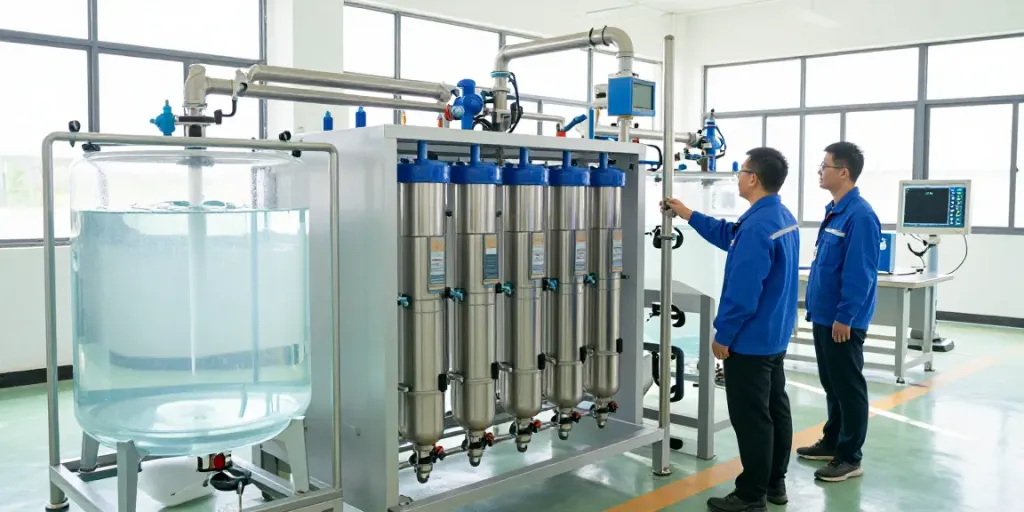
- Integrated Membrane Water Treatment Systems: These systems focus on separating impurities from water using advanced membrane technology.
- Chemical Treatment Systems: QILEE incorporates chemical dosing mechanisms that enhance the efficacy of water treatment processes.
- DAF (Dissolved Air Flotation) Integrated Treatment Systems: These systems are specifically designed to handle wastewater containing suspended solids and floc density close to that of water, optimizing the separation processes.
- Sludge Dewatering Systems: Highly efficient in managing sludge, these systems ensure that waste is treated and disposed of responsibly, adhering to environmental standards.
Benefits of Integrated Modular Systems
Cost-Effectiveness and Efficiency
One of the primary advantages of Integrated Modular Systems is their cost-effectiveness. By utilizing pre-fabricated components, organizations can significantly reduce their initial capital investment and associated operational costs. This efficiency is achieved through streamlined installation processes and minimized downtime. Furthermore, the flexibility of modular systems allows businesses to adjust their capacities based on actual operational needs, ensuring that they only pay for what they use and avoiding unnecessary expenditures.
Scalability for Diverse Applications
Integrated Modular Systems are inherently scalable, making them suitable for a wide range of applications. From small municipal utilities to large industrial operations, these systems can be tailored to meet varying demands. For instance, a facility may begin with a basic setup to treat gray water and scale up to handle additional waste streams as operational needs evolve. This adaptability ensures long-term sustainability and reduces the risk of obsolescence inherent in traditional systems.
Enhanced Performance and Reliability
Reliability is paramount in water treatment applications, and Integrated Modular Systems shine in this aspect. Their design minimizes points of failure and incorporates redundancy, ensuring consistent performance even under challenging conditions. Moreover, the integration of real-time monitoring and control systems enhances operational oversight, allowing operators to react promptly to any anomalies and maintain efficient processes.
Core Applications of QILEE's Integrated Systems
Membrane Water Treatment Solutions
QILEE’s Integrated Membrane Water Treatment Systems are at the forefront of technology, employing advanced filtration methods to produce high-quality water. These systems are particularly effective in removing contaminants such as bacteria, viruses, and turbidity, making them ideal for both municipal and industrial applications. They help facilities comply with stringent drinking water standards, thereby safeguarding public health and preserving environmental integrity.
Chemical Treatment Systems Explained
Chemical treatment is a critical component of many water treatment processes. QILEE’s systems utilize precise chemical dosing methods to enhance coagulation, flocculation, and disinfection processes. By improving the efficacy of these treatments, QILEE ensures that water meets health and safety regulations while also being energy and cost-efficient. This integration of chemical treatment capabilities empowers facilities to tackle a range of water quality issues effectively.
DAF Integrated Treatment Systems Overview
The DAF Integrated Treatment System is a game changer for handling wastewater with suspended solids. By combining chemical dosing and sludge dewatering within a compact framework, QILEE’s DAF systems are capable of treating large volumes of wastewater efficiently. This system is particularly effective for applications where conventional precipitation techniques are insufficient, thus providing a reliable solution for industries such as food processing, textiles, and municipal wastewater treatment.
Challenges and Solutions in Modular System Implementation
Common Misconceptions About Modular Systems
Despite the advantages of Integrated Modular Systems, there are prevalent misconceptions that deter their adoption. One common belief is that modular systems might compromise on performance due to their prefabricated nature. However, many modular designs are rigorously tested and proven to deliver high-quality results. Another misconception is that they are only suited for temporary applications. In reality, many modular systems are robust enough for permanent installations across various industries.
Best Practices for Effective Integration
To maximize the benefits of Integrated Modular Systems, organizations should adhere to best practices throughout the integration process. This includes conducting a thorough needs assessment before implementation, engaging with experienced suppliers like QILEE to ensure proper design, and investing in training for operators. Continuous monitoring and feedback loops should also be established to identify potential areas for improvement post-installation.
Real-World Case Studies
Numerous success stories highlight the effectiveness of Integrated Modular Systems in practice. For example, a municipal water treatment plant in Shanghai adopted QILEE’s DAF Integrated Treatment System to handle increased volumes of waste. The result was a 30% improvement in processing efficiency and a significant reduction in operational costs. Such case studies underscore the potential of modular systems to drive innovation and operational excellence in water treatment.
Future Trends in Integrated Modular Systems
Technological Innovations on the Horizon
As we progress towards 2026, several technological innovations are anticipated to reshape the landscape of Integrated Modular Systems. Advancements in IoT (Internet of Things) will enhance real-time monitoring capabilities, allowing for smarter, more responsive systems that can optimize performance autonomously. Additionally, AI (Artificial Intelligence) can be leveraged to predict maintenance needs and enhance decision-making processes, further improving efficiency and reducing operational costs.
Sustainability and Environmental Impact
Sustainability will be a driving force behind the evolution of Integrated Modular Systems. As environmental regulations become increasingly strict, systems that integrate sustainable practices, such as energy recovery and reduced chemical use, will gain traction. QILEE is committed to developing solutions that not only meet regulatory standards but also contribute to a cleaner and greener future.
Predictions for 2026 and Beyond
Looking ahead, the market for Integrated Modular Systems is expected to grow significantly. With rising awareness of water scarcity and quality issues globally, more organizations will seek innovative solutions that can be implemented quickly and effectively. The modular approach allows for flexibility and adaptability, ensuring that businesses can respond to changing environmental conditions and regulatory frameworks without major disruptions. As experts predict, the future will see a convergence of technologies that will redefine how integrated systems operate, ultimately leading to a more sustainable approach to water treatment.