Understanding the Excavator: Key Features and Functions
Overview of Excavator Types
The excavator, a versatile construction machine, is vital for various heavy-duty tasks. It comes in several types tailored to specific applications. The primary categories include hydraulic excavators, mini excavators, wheeled excavators, and long-reach excavators. Hydraulic excavators are the most common, leveraging hydraulic power for digging and lifting. Mini excavators, also known as compact excavators, are designed for smaller jobs and can operate in tight spaces. Wheeled excavators offer enhanced mobility and are suited for urban projects. Long-reach excavators extend the digging depth and are utilized for deep trenching tasks and demolition projects.
Essential Components of an Excavator
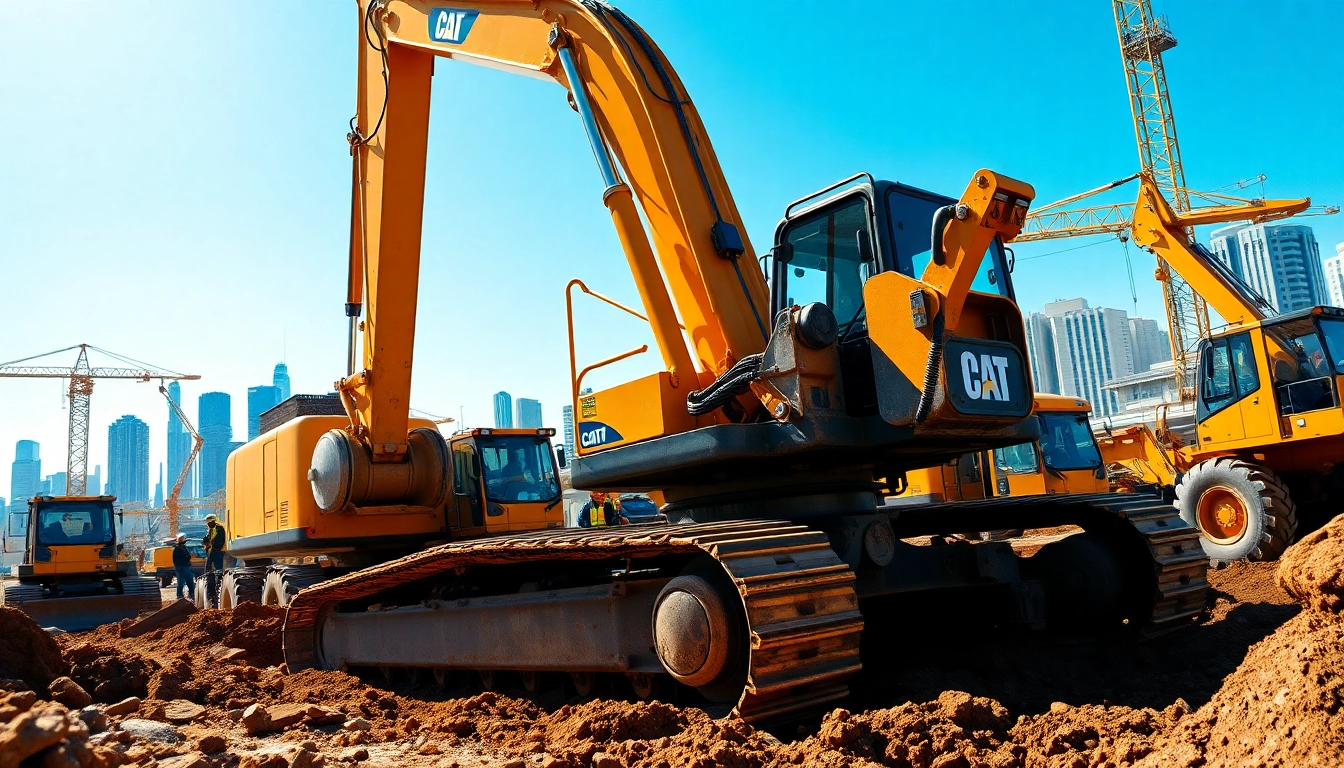
Understanding an excavator's components is crucial for effective operation and maintenance. Key elements include:
- Cab and Controls: The operator's area, equipped with controls for maneuvering the machine.
- Boom: The long arm used to reach out and dig.
- Stick: A shorter arm extending from the boom, providing more precision.
- Bucket: The attachment used for digging, available in various shapes and sizes based on the task.
- Tracks or Tires: Provide mobility; tracks allow better traction on uneven ground.
- Engine: The powerhouse, often diesel-powered, delivering the energy required for operation.
Common Uses for Excavators in Construction
Excavators play an indispensable role in construction. They are primarily utilized for:
- Digging Foundation: Excavators dig deep holes for building foundations, swimming pools, and basements.
- Demolishing Structures: Equipped with specialized attachments, excavators can tear down buildings and remove debris efficiently.
- Site Preparation: Clearing land, grading, and leveling terrain are essential tasks before construction can commence.
- Material Handling: Excavators assist in lifting, moving, and placing materials on site, enhancing overall productivity.
How to Choose the Right Excavator for Your Project
Factors to Consider When Selecting an Excavator
Selecting the appropriate excavator requires a thorough evaluation of project specifications and site conditions. Key factors to consider include:
- Job Size: For larger projects, a full-sized hydraulic excavator may be necessary, while mini excavators are ideal for smaller tasks.
- Soil Conditions: The type of soil can dictate the type of excavator, especially in soft, muddy, or rocky terrains.
- Project Duration: For lengthy projects, durability and fuel efficiency become paramount in decision-making.
- Accessibility: Understanding site constraints, such as height limits and narrow pathways, is vital for selecting a machine capable of maneuvering in confined spaces.
Size and Capacity Requirements
Understanding the size and capacity requirements for your project will help in selecting the ideal excavator. Generally, excavators are categorized by their operating weight, which can affect their lifting capabilities, digging depth, and reach. Mini excavators typically weigh less than 10 tons, making them suitable for urban settings. Standard excavators range between 10 to 50 tons for medium to large construction tasks, while larger models can exceed 50 tons and are utilized for major projects involving earthmoving and heavy lifting.
Rental vs. Purchase: What to Decide
Deciding whether to rent or purchase an excavator largely depends on project duration and frequency of use. Renting is beneficial for short-term needs, as it alleviates maintenance responsibilities and initial investment costs. Conversely, purchasing may prove advantageous for long-term projects requiring ongoing excavation tasks, allowing for tailored maintenance and greater control over equipment availability. The excavator rental market often provides competitive pricing based on project specifications and duration.
Best Practices for Operating an Excavator Safely
Safety Equipment and Gear Recommendations
Safety should always be a priority when operating an excavator. Operators must wear essential personal protective equipment (PPE), including hard hats, steel-toed boots, high-visibility clothing, gloves, and safety goggles. Additionally, site supervisors should ensure that all workers adhere to safety protocols and have access to proper safety training.
Pre-operation Checks and Maintenance
Regular maintenance prolongs the life of an excavator and ensures safe operation. Operators should perform pre-operation inspections, including checking fluid levels, inspecting hoses for leaks, and ensuring all parts, such as tracks, are in good condition. Referencing the manufacturer’s manual can help establish routine checks and maintenance schedules for optimal performance.
Training and Certification for Operators
Certification and training for excavator operators are essential for compliance and workplace safety. Various institutions offer formal training programs that teach the fundamentals of machine operation, safety protocols, and emergency response strategies. Certification not only ensures competencies among operators but also enhances the overall effectiveness of construction teams.
Innovative Technologies in Excavator Operations
Introduction to Smart Excavators
Smart excavators represent the forefront of construction technology, integrating advanced features such as GPS tracking, telematics, and automated systems to enhance operational efficiency. These innovations enable operators to monitor performance metrics in real-time and adjust operations for optimal outcomes, resulting in reduced waste and improved productivity rates.
The Impact of Automation on Efficiency
Automation in excavator operations is transforming the way construction projects are managed. With features like autonomous digging paths and precise control systems, automated excavators can execute tasks with minimal human intervention. This development not only reduces labor costs but also decreases the likelihood of human error, leading to more accurate results and timely project completion.
Case Studies of Advanced Excavator Technologies
Several construction companies have reported substantial benefits from implementing advanced excavator technologies. For instance, one major infrastructure project saw a 30% reduction in operational costs after incorporating GPS and automation systems. By utilizing remote operation capabilities and data analytics, these companies were able to streamline processes and enhance resource allocation, exemplifying the potential of technological advancements in the excavator industry.
Frequently Asked Questions About Excavators
What is the typical lifespan of an excavator?
Excavators generally last between 10 to 15 years depending on usage and maintenance.
Can excavators be used in tight spaces?
Yes, compact excavators are specifically designed for operations in confined areas.
How much does it cost to rent an excavator?
Rental prices vary, typically ranging from $200 to $800 per day based on size and features.
What are excavators mainly used for?
Excavators are primarily used for digging, lifting, demolition, and site preparation tasks.
Is operator certification necessary for excavators?
Yes, certified operators ensure safe and efficient machine usage, complying with regulations.