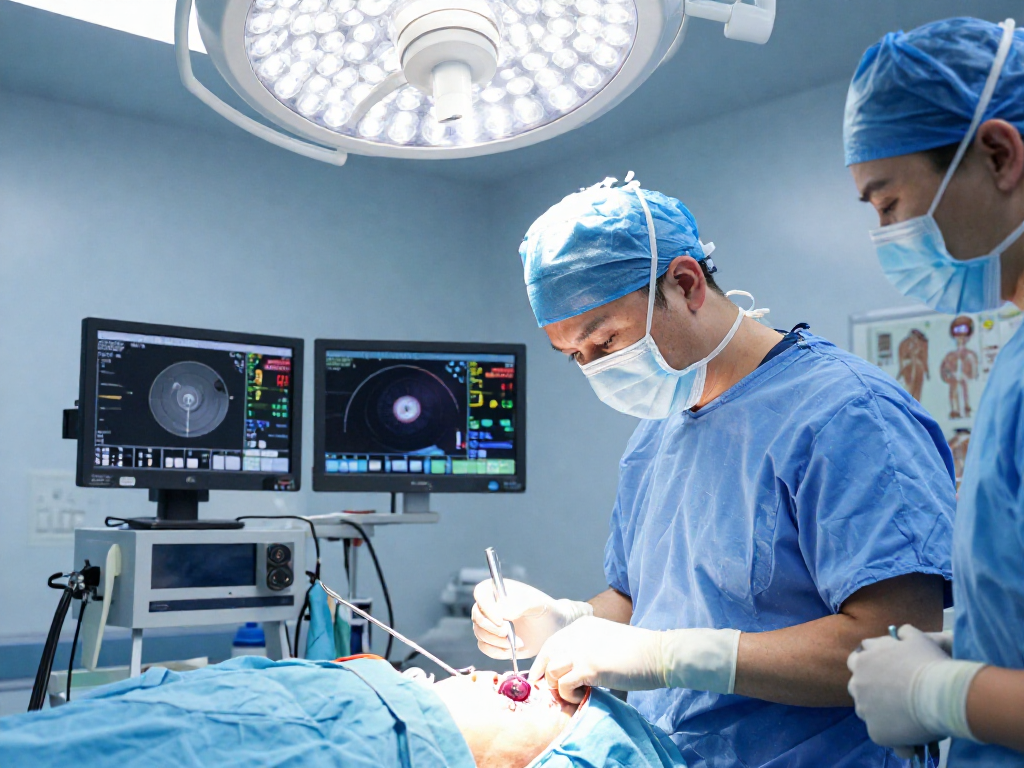
Understanding Brain Tumor Surgery
Brain tumor surgery is a pivotal intervention in the management of both benign and malignant brain tumors. As a complex and delicate procedure, it requires meticulous planning and execution to ensure the best outcomes for patients. Given the intricacies involved in neurosurgery, patients often seek comprehensive insights into the surgery process, recovery expectations, and long-term management strategies. Understanding the various aspects of beyin tümörü ameliyatı can empower patients and families to make informed decisions regarding their healthcare journey.
What is Brain Tumor Surgery?
Brain tumor surgery encompasses a range of surgical procedures aimed at removing tumors that can affect the brain's function and overall health. The primary goal is to excise the tumor while preserving vital brain tissue and minimizing neurological deficits. The decision to proceed with surgery is often determined by various factors, including the tumor's size, location, type, and the patient's overall health. In many cases, surgery is combined with other treatment modalities such as radiation therapy or chemotherapy to enhance effectiveness and reduce the chance of recurrence.
Types of Brain Tumors Treated
Several types of brain tumors can be addressed through surgery, including:
- Meningiomas: Typically benign and originating from the meninges, these tumors often require surgical intervention if they cause symptoms due to their size or location.
- Gliomas: This category includes various forms of brain tumors such as glioblastomas, which are aggressive and require precise surgical techniques for maximum tumor removal.
- Metastatic tumors: These tumors have originated from cancer elsewhere in the body and can spread to the brain, necessitating targeted surgical strategies.
Diagnosis and Preoperative Assessments
Before undergoing brain tumor surgery, a series of diagnostic evaluations and preoperative assessments are essential. These typically include advanced imaging techniques such as MRI or CT scans to ascertain tumor location, size, and involvement of surrounding brain structures. Neurological evaluations are also critical to assess the patient's current cognitive functions and identify any deficits that may impact surgical planning.
Procedure Steps of Brain Tumor Surgery
Preparation for Surgery
The preparation phase for brain tumor surgery is crucial for ensuring patient safety and optimizing surgical outcomes. This may involve preoperative imaging studies, laboratory tests, and consultations with a multidisciplinary team including neurosurgeons, anesthesiologists, and nursing staff. Patients are often advised to restrict food and drink intake prior to surgery and may require specific medications to manage symptoms or reduce risks.
Intraoperative Techniques and Technology
During the surgery, advanced technologies such as intraoperative MRI and functional brain mapping are utilized to enhance precision. The surgeon may perform a craniotomy, where a portion of the skull is removed to access the brain, followed by tumor resection. Techniques such as awake craniotomy allow the surgical team to monitor neurological functions in real-time, ensuring that critical brain areas are preserved while maximizing tumor removal.
Recovery Process After Surgery
Postoperatively, patients are monitored in a recovery area or intensive care unit to assess their neurological status and manage any immediate complications. The length of hospital stay can vary, typically ranging from a few days to a week, depending on the complexity of the surgery and the patient's recovery progress. Rehabilitation therapy may also be initiated to aid in recovery.
Risks and Complications of Brain Tumor Surgery
Common Risks Involved
Like all surgical procedures, brain tumor surgery carries inherent risks. Potential complications include infection, bleeding, and neurological deficits such as weakness, speech difficulties, and seizures. The degree of risk can vary based on factors like tumor location, size, and the patient’s overall health.
Managing Surgical Complications
Effective management of complications begins in the postoperative phase, where vigilant monitoring for signs of infection or neurological deterioration is critical. Healthcare providers may implement protocols for early detection and intervention to mitigate the impact of any complications encountered.
How to Prepare for Potential Risks
Patients and families can prepare by discussing potential risks with their healthcare team beforehand. Understanding the likelihood of specific complications and recovery strategies can help manage expectations and alleviate anxiety associated with surgery.
Postoperative Care and Follow-Up
Immediate Care After Surgery
Immediate postoperative care focuses on monitoring vital signs and neurological function. This early period is critical for identifying any complications that could arise, such as swelling or bleeding in the brain. Patients may receive medication for pain management and to prevent infection or seizures.
Long-Term Follow-Up Strategies
Long-term follow-up is essential for ensuring the continued health of patients post-surgery. Regular MRI scans are typically scheduled to monitor for tumor recurrence or growth. Patients may also undergo regular neurological assessments to evaluate their cognitive and functional status.
Signs to Watch After Surgery
Patients and caregivers should be aware of warning signs that could indicate complications, including:
- Severe headaches that do not respond to medication
- New onset of seizures
- Changes in vision or speech
- Weakness or numbness in limbs
Future Trends in Brain Tumor Treatment
Innovations in Surgical Techniques
Advancements in surgical techniques continue to evolve, with a focus on achieving greater precision and reducing recovery times. Techniques such as laser ablation and robotic-assisted surgery are being explored to improve outcomes and minimize invasiveness.
Advancements in Technology and Tools
The integration of imaging technologies with surgical procedures is becoming more prevalent. Enhanced imaging modalities enable surgeons to visualize tumor boundaries in greater detail, leading to more effective resections while preserving healthy brain tissue.
Looking Ahead: The Future of Brain Tumor Surgery in 2026
As we look to the future, brain tumor surgery is expected to advance significantly, with a focus on personalized medicine approaches. Genetic profiling of tumors will allow for tailored treatment strategies that combine surgery with targeted therapies, potentially improving survival rates and quality of life for patients.
What is the Recovery Time After Brain Surgery?
Recovery time after brain tumor surgery varies widely. Many patients can expect a gradual return to normal activities within weeks to months, but this depends on the extent of the surgery and the individual’s health status.
How is Brain Tumor Surgery Performed?
Brain tumor surgery typically begins with anesthesia followed by a craniotomy. The surgeon will carefully access the tumor and employ various techniques to remove it while preserving surrounding brain tissue. The method chosen often depends on the tumor type and location.
What Are the Costs Involved in Brain Tumor Surgery?
The costs associated with brain tumor surgery can vary significantly depending on several factors including the facility, the complexity of the procedure, and the need for additional therapies like chemotherapy or radiation. Patients should discuss financial options with their care team and financial advisors ahead of time.
What Are the Next Steps After a Brain Tumor Diagnosis?
Following a brain tumor diagnosis, it is vital for patients to engage with a multidisciplinary team comprising neurosurgeons, oncologists, and support staff. For more information, beyin tümörü ameliyatı offers valuable insights. Together, they can develop a comprehensive treatment plan tailored to the specific needs of the patient.