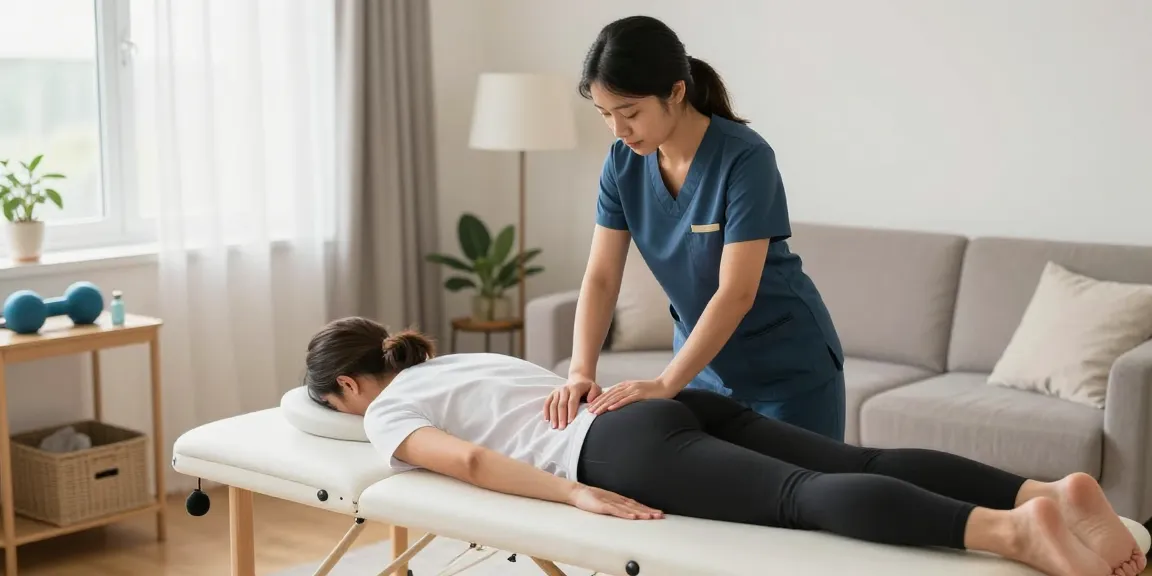
Understanding Sports Massage at Home
Sports massage at home is a revolutionary approach to physiotherapy that allows patients to experience therapeutic benefits in the comfort of their surroundings. As a tailored service, it is designed to address individual recovery needs, improve athletic performance, and provide effective pain relief. With advancements in mobile physiotherapy, individuals no longer need to travel to clinics, making treatment more accessible and convenient. Whether you are an elite athlete or someone looking to alleviate chronic pain, exploring sports massage at home can greatly enhance your recovery journey.
Benefits of Mobile Physiotherapy
Mobile physiotherapy combines traditional therapeutic techniques with the convenience of in-home care. One of the primary benefits is increased accessibility for patients with mobility issues, busy schedules, or those living in remote areas. Furthermore, home visits allow physiotherapists to assess the patient's environment, which can provide insight into any factors that might contribute to their condition.
Each customized plan focuses on individual needs, ensuring that treatment is maximally effective. Patients often report improved outcomes, as they can engage in therapy within a familiar, relaxing space, leading to reduced anxiety and increased compliance with treatment protocols.
How Sports Massage Aids Recovery
Sports massage plays a crucial role in the recovery process by enhancing blood circulation and lymphatic drainage, which are essential for healing. This type of massage helps in reducing muscle tension and promoting flexibility, crucial for athletes and active individuals. Additionally, the rhythmic manipulation of muscles can alleviate pain, allowing for faster recovery times from injuries.
Research has shown that engaging in regular sports massage can not only expedite recovery but also improve performance by increasing range of motion and reducing the risk of injuries during physical activity. Athletes who incorporate this treatment into their routine often find themselves recovering quicker and feeling more prepared for subsequent activity.
Who Can Benefit from Sports Massage?
Sports massage is not exclusively for athletes; it can benefit a broad range of individuals. Anyone recovering from a musculoskeletal injury, chronic pain conditions, or those needing stress relief can take advantage of this therapeutic practice. It is also particularly beneficial for those engaged in regular physical activity or training, who may require additional support to manage their physical demands.
Moreover, older adults can also benefit from sports massage as it helps to manage discomfort and improve mobility, thereby enhancing the overall quality of life.
The Science Behind Sports Massage
Evidence-Based Approaches in Massage Therapy
In recent years, numerous studies have validated the benefits of sports massage. Evidence-based approaches highlight its efficacy in pain reduction and recovery enhancement. Systematic reviews have reported that post-event massage significantly decreases delayed onset muscle soreness (DOMS) and improves overall muscle function.
These findings underscore the importance of integrating scientifically backed practices into sports massage therapy, ensuring that patients receive treatment that is both effective and safe.
Common Techniques Used in Sports Massage
Sports massage encompasses various techniques tailored to the individual’s needs. These include:
- Deep Tissue Massage: Targets deeper layers of muscle and connective tissue, ideal for chronic aches and pains.
- Trigger Point Therapy: Focuses on specific tight areas, relieving tension and pain.
- Dynamic Stretching: Involves movement-based stretching to enhance flexibility.
- Cross-Fiber Friction: Aids in reorganizing muscle fibers and reducing scar tissue.
Each technique can be applied depending on the patient’s condition and recovery goals, further emphasizing the flexibility of mobile physiotherapy.
The Role of Massage in Injury Prevention
Sports massage is not only a reactive treatment but also a proactive one. Regular massage therapy can help reduce the likelihood of injuries by identifying and treating problem areas before they develop into serious issues. By maintaining optimal muscle health and flexibility, athletes and physically active individuals can perform at their best while minimizing downtime due to injuries.
Mobile Physiotherapy Services Offered
Comprehensive Home Physiotherapy Packages
At Revive Physiotherapy, we offer an array of home physiotherapy packages designed to cater to various needs. From general pain management to specialized rehabilitation programs, each package is targeted toward achieving specific health goals. Our skilled practitioners develop individualized plans that incorporate sports massage, therapeutic exercises, and education on injury prevention.
Specialized Care for Aging Populations
As populations age, the demand for tailored physiotherapy services has increased. Our services include specialized care for the elderly, focusing on improving mobility, managing chronic pain, and maintaining independence. We understand the unique needs of older adults and aim to enhance their quality of life through compassionate care and targeted treatments.
NDIS-Funded Physiotherapy Options
For those eligible for National Disability Insurance Scheme (NDIS) funding, we offer physiotherapy options that support diverse needs. Our skilled physiotherapists work closely with participants to develop treatment plans that align with their goals, ensuring they receive necessary therapy through mobile services.
Best Practices for Choosing a Physiotherapist
Certifications and Qualifications to Look For
When selecting a physiotherapist, it is crucial to verify their qualifications and certifications. Look for practitioners registered with national boards and associations, ensuring they adhere to the latest clinical guidelines and professional standards. Additionally, consider their areas of expertise and experience relevant to your specific condition.
Questions to Ask Your Physiotherapist
Engaging with your physiotherapist is essential for a successful therapeutic relationship. Some important questions to consider include:
- What is your treatment philosophy?
- What evidence supports your recommended treatment plan?
- How will we measure progress?
- What can I do at home to assist in my recovery?
Establishing open communication can help tailor treatments to suit your needs fully.
Understanding Treatment Plans and Goals
A well-defined treatment plan is fundamental to achieving optimal recovery. Your physiotherapist should discuss treatment goals with you, outlining the expected timeline and various modalities involved in your care. Understanding your plan not only empowers you but also increases adherence and engagement in the recovery process.
The Future of Home-Based Physiotherapy
Technological Innovations in Physiotherapy
The home-based physiotherapy landscape is rapidly evolving, especially with advancements in technology. Tools such as telehealth consultations and mobile apps allow for continuous patient engagement and monitoring. These innovations enable physiotherapists to provide real-time feedback and adjustments to treatment plans, ensuring patients remain on track towards their recovery goals.
Patient-Centered Care Philosophy
Future trends in physiotherapy are pivoting towards a more patient-centered care philosophy. This approach emphasizes collaboration between patient and therapist, focusing on personalized care that respects the individual’s values and preferences. By involving patients in their therapy plans, adherence and satisfaction improve significantly.
Predicted Trends for 2026 and Beyond
As we look towards the future of physiotherapy, we anticipate several trends that will shape the industry. Increased awareness of mobility issues will lead to a rise in demand for home-based services, while advancements in virtual rehabilitation programs will offer new avenues for patient care. Overall, the combination of technology and personalized treatment will pave the way for more effective, accessible healthcare.
Frequently Asked Questions
What can I expect during a mobile sports massage?
During a mobile sports massage, a qualified physiotherapist will assess your needs, discuss your medical history, and design a personalized session. Typically, you can expect a combination of techniques aimed at relieving muscle tension and enhancing recovery.
How often should I receive sports massage therapy?
The frequency of sports massage therapy varies based on individual goals, activity levels, and specific conditions. Generally, athletes may benefit from weekly sessions, while those recovering from injuries might require more frequent visits to facilitate healing.
Are there specific conditions that benefit from sports massage?
Yes, sports massage can be beneficial for a range of conditions, including muscle soreness, stiffness, tension headaches, and recovery from injuries. For more information, sports massage at home offers valuable insights. Additionally, it can aid in the management of chronic pain conditions, making it a versatile treatment option.