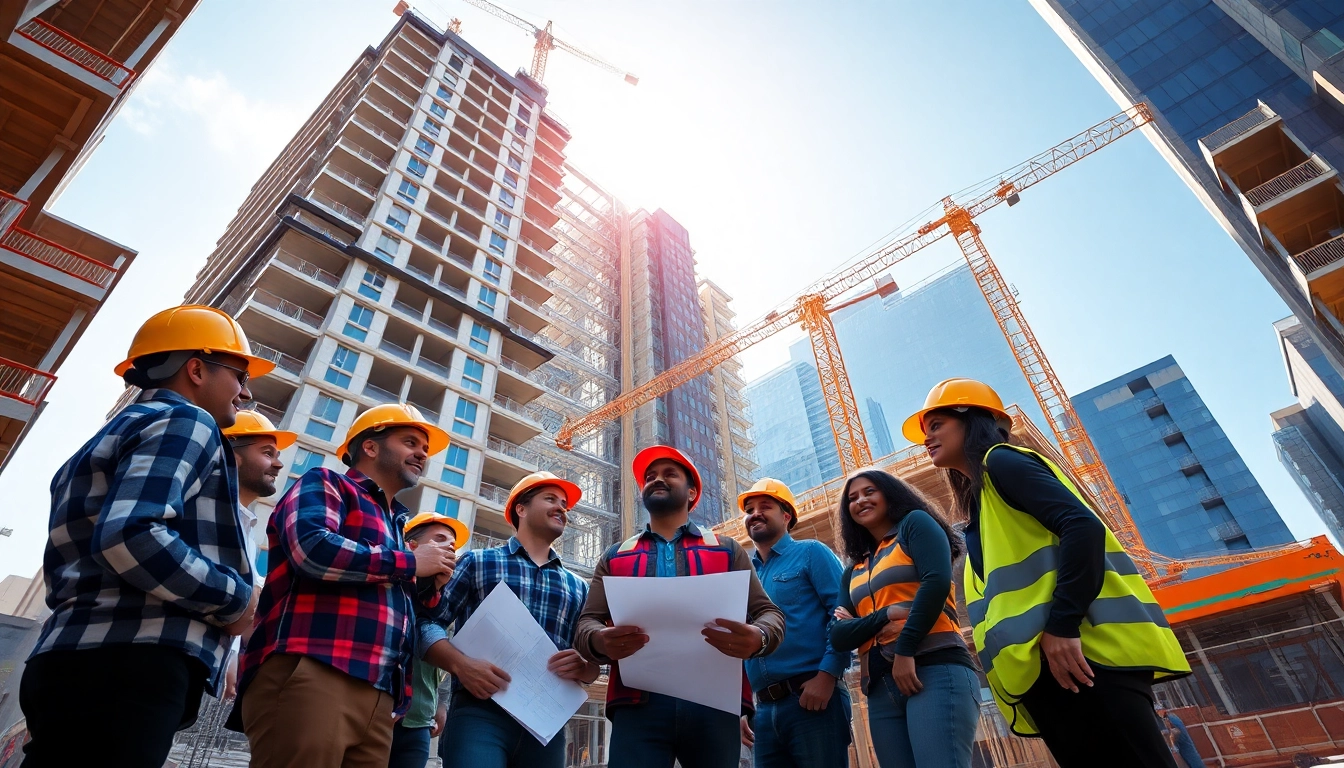
Finding the right contractor for any commercial construction project can be daunting. A Manhattan Commercial General Contractor plays a critical role in ensuring that projects are completed on time, within budget, and to the required standards. This article aims to provide a comprehensive guide to the intricacies involved in working with a general contractor in Manhattan, covering their responsibilities, how to choose the right one, common challenges they face, and best practices for hiring.
Understanding the Role of a Manhattan Commercial General Contractor
Definition and Responsibilities
A Manhattan commercial general contractor is a professional responsible for overseeing the construction process from inception to completion. Their responsibilities encompass various tasks, including:
- Project management and coordination of schedules
- Hiring and supervising subcontractors
- Procurement of necessary permits and licenses
- Ensuring safety and compliance with local regulations
- Quality control and assurance that work meets specifications
A contractor serves as the primary point of contact between clients, subcontractors, and suppliers, managing all aspects of a project while keeping the client informed about progress and addressing any issues that may arise.
Importance in Construction Projects
In the bustling environment of Manhattan, a commercial general contractor is vital to the success of construction projects. They bring together vast resources, industry expertise, and relationships to streamline complex building processes. Having a reliable general contractor means that:
- Projects are more likely to finish on time and within budget.
- Potential site issues are managed proactively, ensuring minimum disruption.
- A single point of accountability simplifies communication for all stakeholders.
Ultimately, the involvement of a capable general contractor can elevate a construction project, ensuring that it meets both the aesthetic and functional expectations of the client.
Key Skills and Qualifications
To effectively manage construction projects, a Manhattan commercial general contractor must possess a blend of technical, managerial, and interpersonal skills. Key qualifications include:
- Project Management Expertise: Ability to manage multiple facets of a project including budget oversight and timeline management.
- Industry Knowledge: Familiarity with local building codes, regulations, and the ability to navigate the permitting process.
- Technical Skills: Understanding of construction techniques, materials, and cost estimation.
- Communication Skills: Proficient in conveying information clearly among diverse stakeholders.
- Problem-solving Abilities: Skills to quickly remedy challenges that arise during the project lifecycle.
These abilities not only ensure adherence to project timelines and budgets but also enhance the quality of the end result, building trust with clients and stakeholders.
Choosing the Right Manhattan Commercial General Contractor
Evaluating Experience and Portfolio
When selecting a contractor, start by assessing their experience and portfolio. Look for a contractor with a proven history of delivering successful projects similar to yours. Key considerations include:
- Years of operation in the Manhattan construction market.
- Diversity of projects undertaken, showcasing their ability to adapt to different needs.
- Quality of previous work—ask for references or view project sites, if applicable.
Much of the credibility of contractors derives from their past projects, making this evaluation sector-specific and crucial to your decision-making process.
Checking Licenses and Insurance
Ensuring that the contractor is properly licensed and insured is a non-negotiable step when hiring. This protects you from potential liabilities associated with accidents and also guarantees that the contractor adheres to state regulations. Check for:
- Valid general contractor license for New York.
- Worker’s compensation insurance to cover any workplace injuries.
- General liability insurance to protect against property damage.
Without proper credentials, you may face legal repercussions or unexpected financial burdens.
Reading Client Reviews and Testimonials
Past client reviews can provide insight into the contractor's reliability and quality of work. Platforms such as construction forums, review websites, and social media offer valuable feedback. Look for consistent themes in reviews such as:
- Timeliness and effectiveness in communication.
- Handling of challenges during the project.
- Final project satisfaction levels.
Qualitative feedback from former clients can be one of the most revealing indicators of what you can expect in your collaboration.
Common Challenges Faced by General Contractors
Budget Management Issues
Effective budget management is one of the primary challenges general contractors face. Fluctuations in material costs, unexpected expenses, and project scope changes can strain a budget. Successful contractors often implement robust project management practices to counter these issues by:
- Creating detailed initial estimates that account for various factors.
- Regularly reviewing budget performance throughout the project.
- Establishing clear change order processes for any adjustments.
These strategies can help maintain financial control and ensure project viability.
Project Delay Factors
Delays can arise from numerous factors including weather, supply chain disruptions, or subcontractor issues. Addressing project delays involves proactive planning such as:
- Establishing buffer times within the project schedule.
- Maintaining regular communication with all project participants to address potential delays in advance.
- Monitoring the construction schedule closely for any early signs of lag.
Being prepared for unexpected setbacks ensures that your project remains on track as much as possible.
Communication Gaps with Stakeholders
Failures in communication can lead to misunderstandings and project setbacks. Elite contractors, therefore, prioritize establishing robust communication channels by:
- Setting up regular update meetings with clients and stakeholders.
- Utilizing project management software to track progress and share updates.
- Encouraging open dialogue about concerns and feedback at all stages of construction.
Solid communication practices ultimately ensure that every participant is aligned on objectives, expectations, and responsibilities.
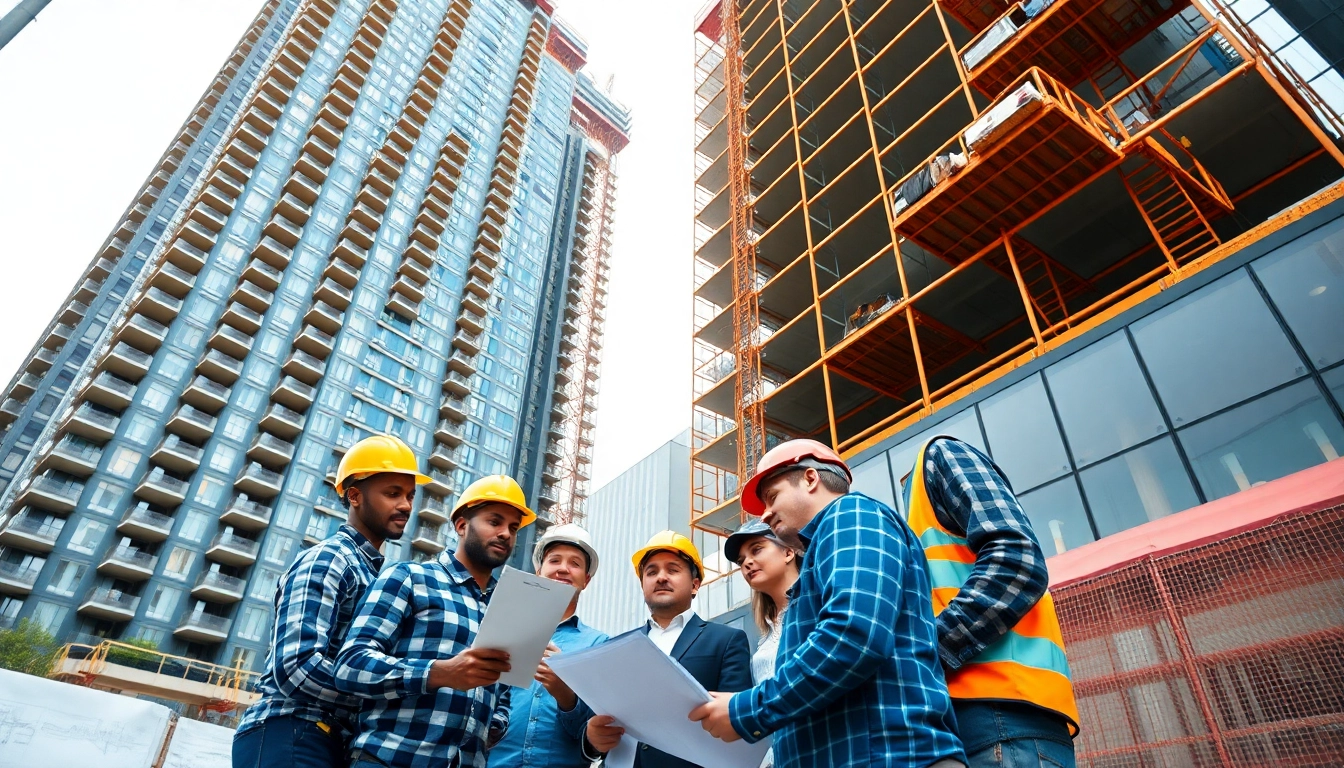
Best Practices for Hiring a Manhattan Commercial General Contractor
Conducting Comprehensive Interviews
Before finalizing a contractor, conducting a thorough interview is vital. Prepare questions that scrutinize their experience, approach, and services. Some topics to discuss include:
- Specific challenges they've encountered in previous projects and how they overcame them.
- Details about their project management process and tools used.
- Clarification on timelines and how they handle schedule adherence.
These questions help identify not just their competency, but also their working style and if it matches your expectations.
Setting Clear Project Goals and Expectations
At the beginning of your engagement, it’s paramount to articulate clear project goals and expectations. This clarity prevents misunderstandings later on. Consider discussing:
- Project scope and detailed specifications.
- Budget parameters.
- Timeline and milestones to track progress.
Setting these parameters early can facilitate a smoother collaboration and lead to successful project outcomes.
Negotiating Contracts Effectively
Negotiating the contract terms is essential for establishing a solid foundation for the working relationship. Key elements to consider negotiating include:
- Payment schedules linked to project milestones.
- Clear penalties for delays or unmet quality standards.
- Defined clauses for change orders and additional work.
A well-structured contract provides legal protection for both parties and can minimize conflicts throughout the project lifecycle.
Performance Metrics for General Contractors
Tracking Project Timeliness
Timeliness is a key metric for evaluating a contractor's performance. Use tools like Gantt charts or project management software to monitor timelines against actual completion dates. Highlight:
- Percentage of projects completed on time.
- Average delay incurred on projects.
- Timeliness of milestone completions.
This tracking not only assesses current performance but also sets a benchmark for future projects.
Measuring Quality of Work
Another critical performance metric is the quality of work delivered. Factors to consider include:
- Defect rates post-inspection.
- Client satisfaction surveys based on finished work.
- Compliance with all specifications and codes.
Evaluating these components helps affirm the contractor’s professionalism and commitment to quality.
Client Satisfaction and Feedback Collection
Client satisfaction is indispensable in assessing a general contractor's success. Develop processes to collect client feedback comprising:
- Post-project surveys assessing their overall satisfaction.
- Follow-up discussions to address any lingering concerns.
- Performance reviews based on completed project outcomes.
Utilizing client feedback not only aids continuous improvement but also builds a solid reputation within the market.
Frequently Asked Questions
What does a Manhattan commercial general contractor do?
A Manhattan commercial general contractor oversees construction projects from start to finish, coordinating schedules, managing subcontractors, and ensuring compliance with local regulations and standards.
How do I choose the right contractor?
To choose the right contractor, evaluate their experience, check references, confirm licenses and insurance, and assess their portfolio against the type of project you have in mind.
What are the red flags when hiring a contractor?
Red flags include a lack of proper licensing, ambiguous contract terms, unwillingness to provide references, and poor communication during the initial stages of collaboration.
How do contractors handle project delays?
Contractors address delays by implementing proactive project management strategies, including maintaining close communication with teams, adjusting schedules, and ensuring all materials and manpower are available as needed.
Why is communication important in construction projects?
Effective communication ensures all stakeholders are on the same page, leading to fewer misunderstandings, smoother coordination, and improved project outcomes throughout the construction process.