Introduction to Wine Grapes for Sale California
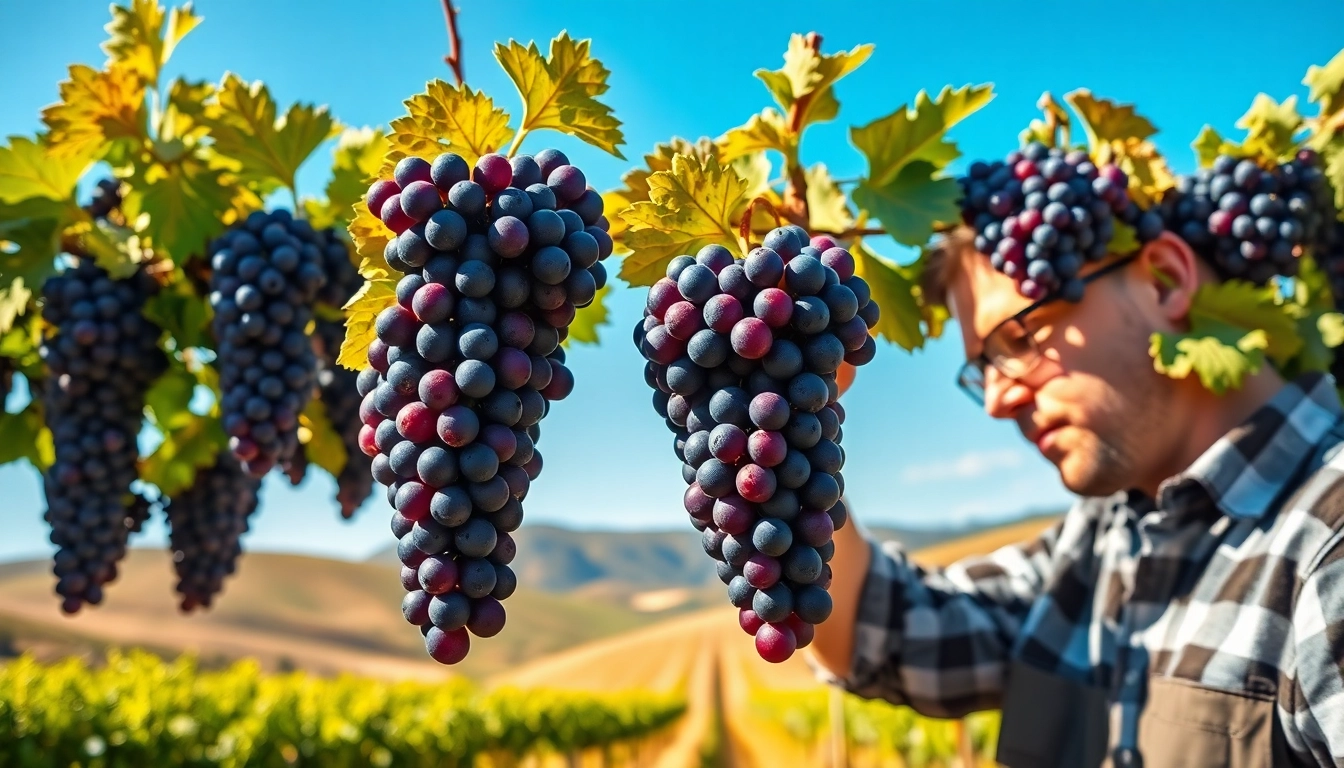
For wine enthusiasts and producers alike, California stands out as a premier destination for high-quality wine grapes. With its diverse climate and topographical variations, the state offers a unique opportunity to purchase a rich array of grape varietals. This article will guide you through the intricate world of wine grapes for sale california, exploring the vineyards, types of grapes available, and the best practices for sourcing and handling these vital commodities.
Understanding the Vineyards and Regions
California's wine-growing regions are extensive, each characterized by unique microclimates, soils, and grape varietals. Notable regions include:
- Napa Valley: Renowned for its premium Cabernet Sauvignon and Chardonnay, Napa Valley's warm days and cool nights create ideal conditions for grape ripening.
- Sonoma County: This diverse region is known for its Pinot Noir and Zinfandel, with varying climates that impact each variety differently.
- Central Coast: Stretching from San Francisco to Santa Barbara, this area is famous for its innovative winemaking, with varietals such as Syrah and Grenache.
- Livermore Valley: A lesser-known gem, this valley is gaining recognition for its Sauvignon Blanc and Merlot.
Understanding the uniqueness of each region will help you make informed decisions when purchasing wine grapes.
Types of Wine Grapes Grown
California's vineyards cultivate a vast array of grape varietals. The most popular include:
- Cabernet Sauvignon: Often considered the king of red wine grapes, it is noted for its depth and complexity.
- Chardonnay: A versatile white grape highly sought after for its ability to express various styles, from crisp and fruity to rich and oaky.
- Pinot Noir: Delicate and aromatic, this grape excels in cooler climates and is prized for its refined characters.
- Merlot: Known for its smooth texture and approachability, Merlot is a popular choice among consumers.
- Syrah/Shiraz: This full-bodied grape produces wines with bold flavors and exceptional aging potential.
The diversity of grapes available ensures that there is something for every palette and purpose.
Harvesting and Quality Assessment
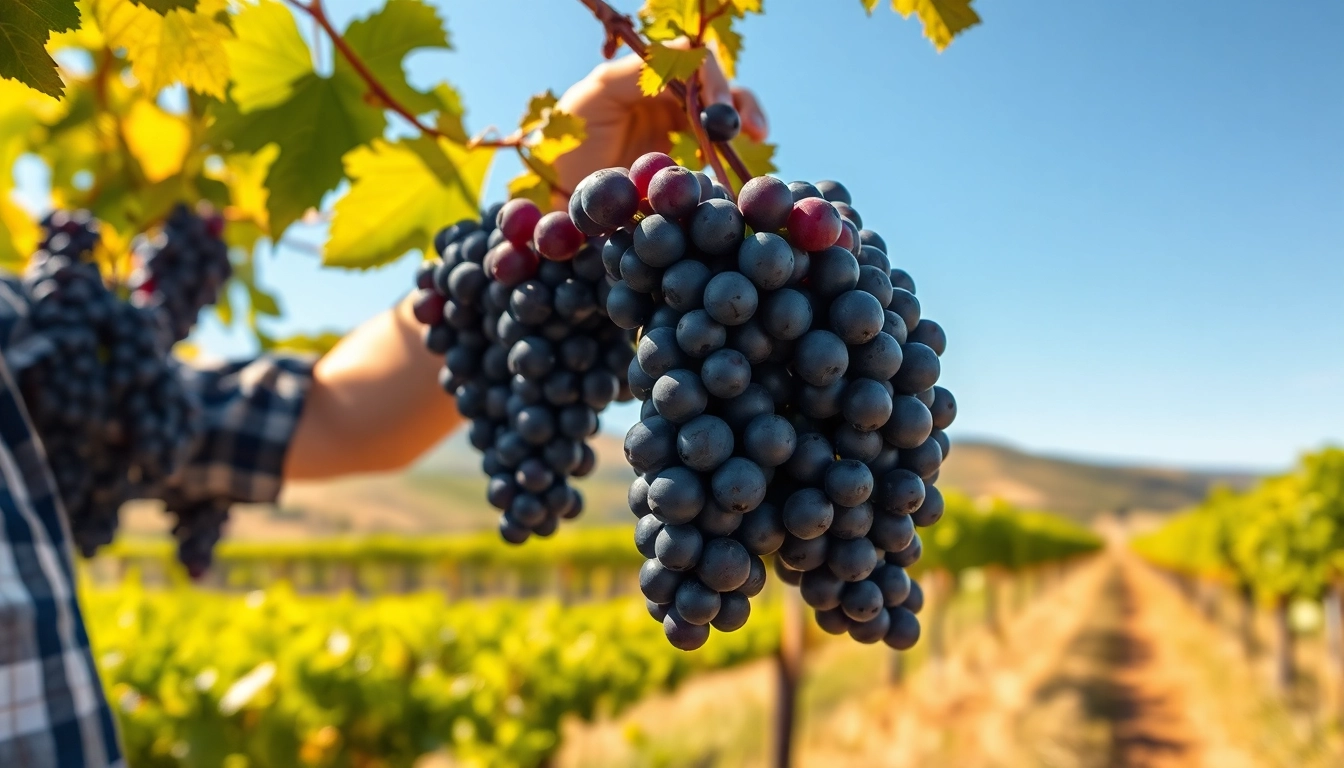
The harvesting of grapes is a meticulous process that significantly impacts the quality of the wine produced. Typically occurring in late summer to early autumn, timing is key. Grapes should be harvested at the peak of ripeness, striking a balance between acidity and sugar content. Quality assessment involves careful examination of the following:
- Climatic Conditions: Temperature and weather patterns can influence grape development.
- Soil Composition: Different soils yield different flavors and characteristics in wine.
- Grape Condition: Inspecting for pests, diseases, and uniformity in size and color.
High-quality grapes are critical for producing excellent wine, so understanding these factors can enhance your purchasing decisions.
Buying Wine Grapes: Where to Look
Online Marketplaces for Wine Grapes
The digital age has simplified the process of purchasing wine grapes, with a range of online platforms offering convenient access to various varietals. Popular marketplaces feature:
- Direct-from-Farmer Sites: Websites that connect buyers directly to growers, often allowing for negotiation of prices and bulk purchases.
- Wine Brokers: Professionals who aggregate multiple vineyards' offerings, providing a one-stop shopping experience.
- Auction Platforms: Occasionally, grapes are auctioned, allowing buyers to secure rare varietals.
Exploring these options expands your potential for discovering unique and quality grapes.
Local Suppliers and Farms
Buying locally can foster relationships with vineyard owners and ensure the freshest product. Local options include:
- Farmers' Markets: Direct purchases from growers can offer insights into the grape’s journey from vine to market.
- Vineyard Visits: Visiting vineyards allows for firsthand experience and often provides a chance to purchase directly.
- Wine Festivals: These events frequently showcase local grapes and wines, providing networking and tasting opportunities.
Engaging with local resources can lead to better connections and potentially better bargains.
Cost Considerations for Bulk Purchases
Purchasing wine grapes in bulk necessitates careful budgeting and understanding the factors that influence pricing:
- Varietal Demand: Popular varietals may command higher prices due to demand.
- Quality and Ripeness: Higher quality and perfectly ripe grapes will typically cost more.
- Shipping and Handling: Consider logistical costs if buying from distant vineyards.
By considering these elements, you can better plan your grape purchases without overspending.
Choosing the Right Wine Grapes for Your Needs
Factors Influencing Your Selection
Choosing the best wine grapes requires careful consideration of various factors:
- Intended Use: Are you producing wine for personal enjoyment, commercial production, or special events?
- Style Preferences: Do you prefer red, white, or sparkling wine? This will dictate the grape varieties to consider.
- Region Specificity: Some grape varietals thrive in specific areas, influencing the resulting flavor profile.
Insight into these preferences will streamline your grape selection process and align your choices with your end goals.
Recommended Varietals for Different Wines
Different grape varieties yield distinct flavors and wine profiles. Here’s a breakdown:
- For Bold Reds: Consider Cabernet Sauvignon, Shiraz, and Zinfandel.
- For Elegant Whites: Chardonnay, Sauvignon Blanc, and Riesling are popular choices.
- For Rosé: Grenache and Pinot Noir are commonly used to produce refreshing rosé wines.
Selecting the right varietals can significantly influence the quality and characteristics of your final wine product.
Understanding Quality Grades of Grapes
Quality grading is essential when sourcing wine grapes, helping to ensure that you’re getting what you pay for. The following factors are considered:
- USDA Grades: Grapes can be graded based on their size, sugar content, and health.
- Visual Inspection: Grapes should have a uniform color, firmness, and absence of blemishes.
- Tasting: Sensory evaluation can help gauge whether the fruit meets the desired flavor profile.
A thorough understanding of quality assurance can lead to better purchasing decisions, ensuring that your winemaking process begins with the best possible ingredients.
Best Practices for Wine Grape Storage and Handling
Optimal Storage Conditions
Proper storage of wine grapes is essential for maintaining their quality before winemaking:
- Temperature: Keep grapes stored at cool temperatures, ideally between 32°F to 35°F (0°C to 2°C).
- Humidity: Maintain humidity levels around 90% to prevent dehydration.
- Ventilation: Ensure adequate airflow to prevent mold growth and spoilage.
Implementing these best practices will extend the lifespan and quality of your purchased grapes.
Handling Procedures to Maintain Quality
Handling grapes with care during transportation and processing can avoid damage and ensure the highest quality:
- Gentle Handling: Always handle grapes gently to avoid bruising, which can degrade quality.
- Immediate Processing: Process grapes immediately after purchase to preserve freshness and flavors.
- Clean Equipment: Ensure all winemaking equipment is clean and sanitized to avoid contamination.
Utilizing these methods will protect the integrity of the grapes until they are ready for winemaking.
Preparing for Winemaking
Preparation is key to a successful winemaking experience. Here’s how to set up:
- Organize Necessary Equipment: Ensure all equipment is clean and ready for use, including fermenters, bottles, and corks.
- Check Ingredients: Gather any additional ingredients needed for fermentation, such as yeast and sulfur dioxide.
- Plan Your Process: Develop a strategic timeline for the winemaking process, from fermentation to bottling.
With thorough preparation, the winemaking process can run smoothly and with minimal disruptions.
FAQs about Wine Grapes for Sale California
What types of wine grapes are common in California?
California is famous for various grapes, including Cabernet Sauvignon, Chardonnay, Merlot, and Pinot Noir, each thriving in the state's diverse climates.
How can I ensure the quality of wine grapes before purchase?
Evaluate grapes for uniformity in size and color, inspect for pests, and if possible, taste a sample to gauge flavor profiles.
What is the typical price range for bulk wine grapes?
The price varies widely based on quality and varietal, typically ranging from $500 to $1500 per ton depending on the type and region.
Are there any seasonal considerations for buying wine grapes?
Yes, grapes are typically harvested from late summer to early autumn; planning purchases around this season can ensure the best availability.
How do I store wine grapes at home?
Store grapes in a cool, dark place with high humidity; temperature should be maintained between 32°F to 35°F for optimal freshness.