Understanding Pet Product Contract Packaging
What is Pet Product Contract Packaging?
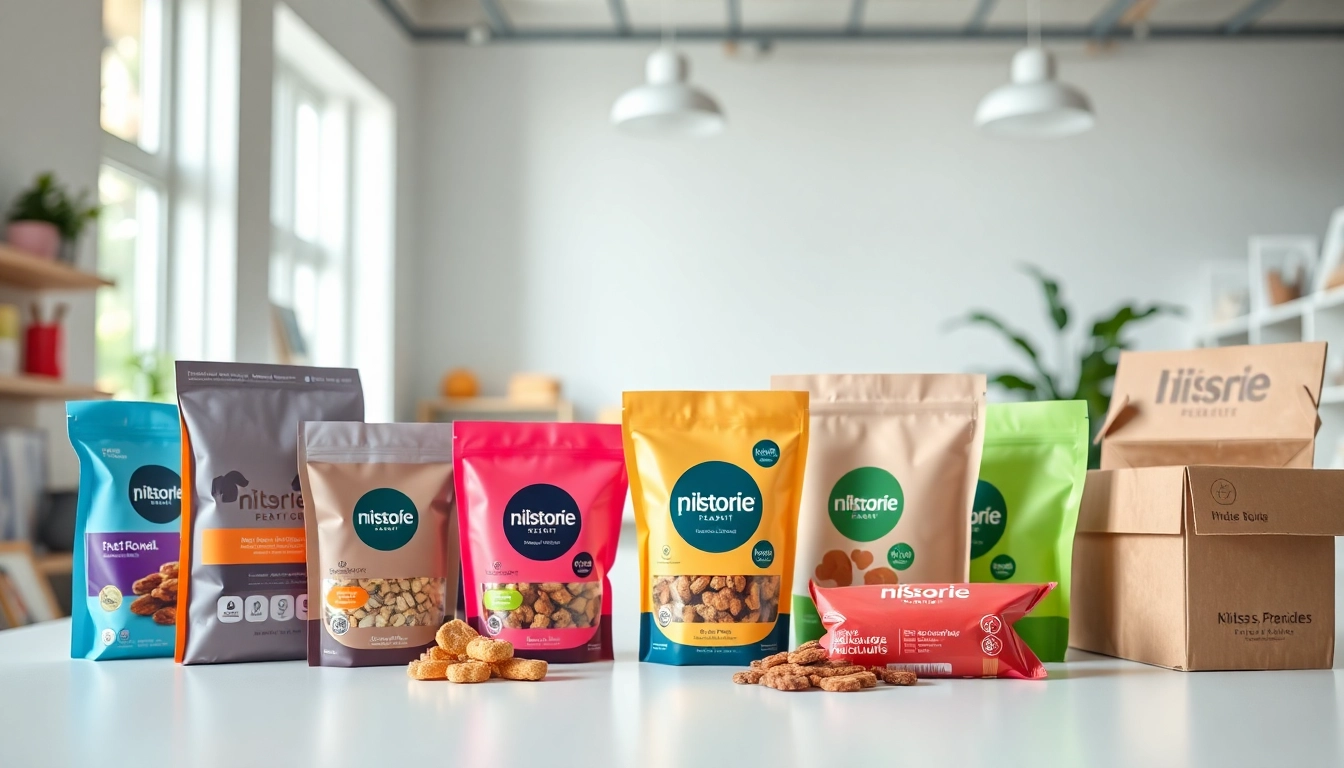
Pet product contract packaging refers to the outsourcing of the packaging processes necessary for various pet-related products, including food, treats, and toys. This specialized service enables pet product manufacturers to focus on their core competencies—such as production and distribution—while ensuring that their products are packaged efficiently and attractively. The contract packaging firms handle everything from design and materials to filling and sealing, allowing brands to maintain quality control standards while benefiting from professional expertise. Companies that engage in pet product contract packaging can significantly enhance market readiness and streamline their operations.
Key Benefits of Contract Packaging for Pet Products
The benefits of using contract packaging extend beyond mere convenience. Below are some of the most significant advantages:
- Cost Efficiency: Outsourcing packaging can be less expensive than investing in in-house packaging processes. This includes savings on labor, equipment, and materials.
- Expertise and Quality: Professional packaging firms bring specialized knowledge that can improve product shelf-life, appeal, and compliance with regulations.
- Flexibility and Scalability: Contract packagers often have the capability to scale operations quickly based on demand, allowing smaller brands to adapt to market changes without substantial investments.
- Focus on Core Activities: Without the distractions of packaging logistics, companies can dedicate more resources to product development and marketing strategies, fostering innovation in their pet products.
- Access to Advanced Technology: Many contract packaging companies utilize cutting-edge technology in their processes, resulting in superior packaging quality and efficiency.
Industry Trends in Pet Packaging Solutions
The pet product sector is witnessing burgeoning trends influenced by consumer preferences and innovations in technology. Some of the most notable trends include:
- Sustainable Packaging: An increasing number of pet owners are environmentally conscious. Consequently, there is a growing demand for eco-friendly materials and packaging that reduces waste.
- Smart Packaging: Incorporating technology such as QR codes and augmented reality can engage customers and provide additional product information or promotions.
- Customized Packaging: Tailored solutions that resonate with a specific target audience have become essential. Brands now opt for packaging that reflects their unique identity and appeals to their clientele.
Choosing the Right Packaging Materials
Popular Packaging Materials for Pet Products
When selecting appropriate packaging materials for pet products, several options are available, each offering unique benefits:
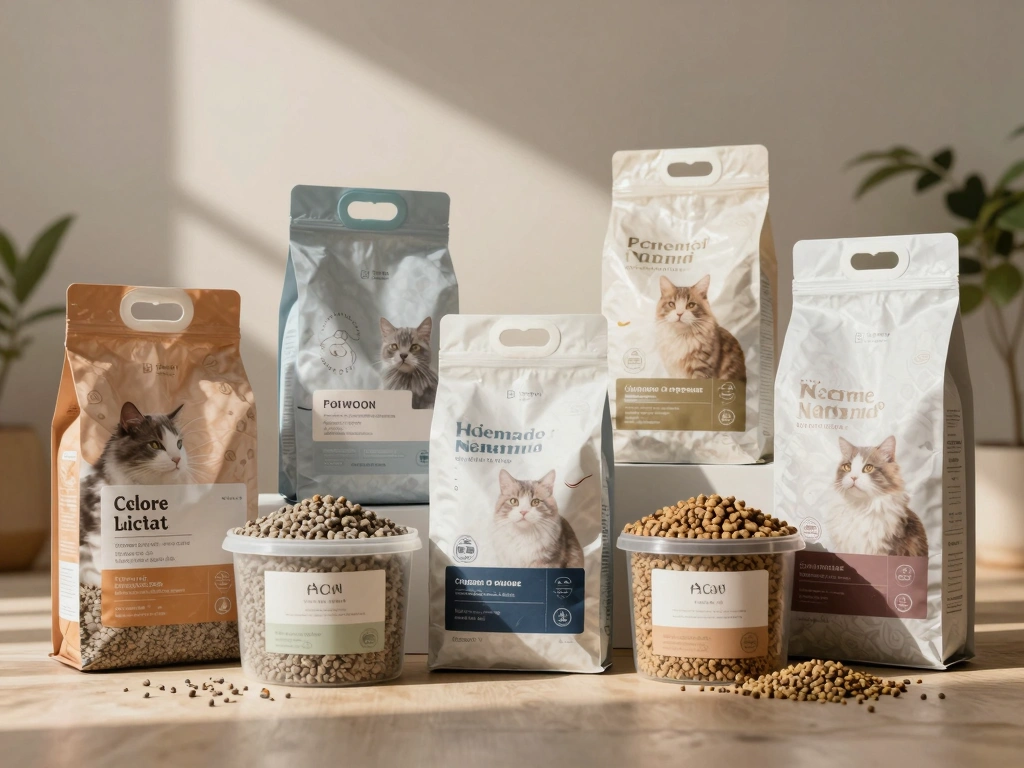
- Plastic: Lightweight and versatile, plastics such as PET and PVC are used for containers and pouches. Their resilience and low cost make them generally favored for packaging pet foods.
- Paper and Cardboard: These materials are popular for their recyclability. They are also effective for branding, especially when designs and prints are integrated into the packaging.
- Foil and Metalized Films: Ideal for flexible pet food pouches, these materials provide excellent barrier properties that extend product freshness.
Environmental Considerations in Material Selection
Environmental sustainability is increasingly paramount in the packaging sector. Pet product manufacturers should evaluate the following factors when selecting materials:
- Recyclability: Opt for materials that consumers can easily recycle, thereby reducing landfill waste.
- Biodegradability: Consider materials that decompose naturally and do not contribute to long-term pollution.
- Renewable Resources: Packaging derived from sustainable sources encourage responsible consumption and production practices.
Cost-Effectiveness of Various Packaging Options
Cost-effectiveness is a critical consideration when selecting packaging materials. Manufacturers should conduct a thorough cost analysis, including:
- Material price per unit
- Potential for bulk purchasing discounts
- Transportation costs based on packaging weight and size
- Long-term savings through sustainability initiatives
Designing Effective Packaging Solutions
Essential Elements of Pet Product Packaging Design
When creating packaging designs for pet products, several critical elements should be prioritized:
- Functionality: The packaging must adequately protect the product throughout its lifecycle, from production to shelf to consumption.
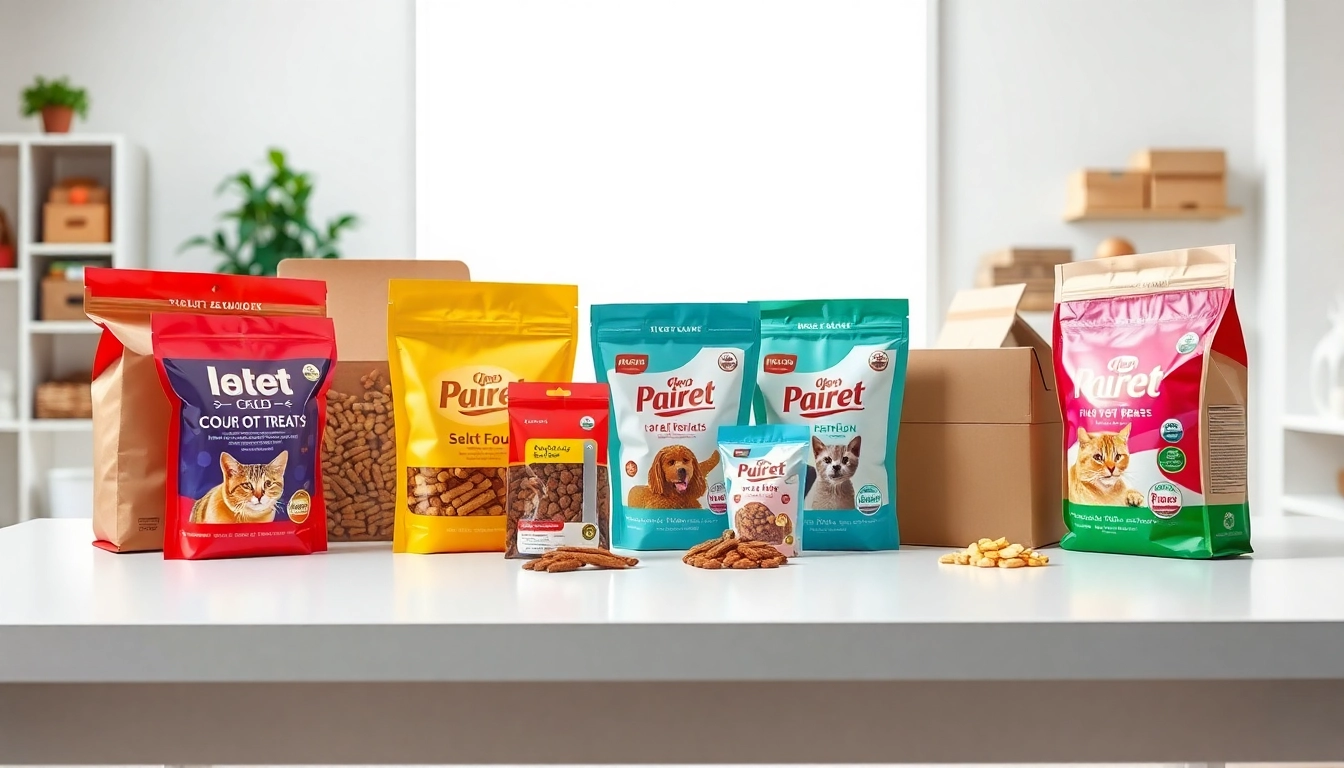
- Aesthetics: Visually appealing designs can help attract customers and differentiate products in a competitive marketplace.
- Usability: Consider how easily the packaging can be opened, resealed, and disposed of by customers.
Creating Eye-Catching Graphics and Labels
Graphics and labels serve as a product's first impression. Here are several tips for creating effective designs:
- Cohesive Branding: Ensure that the design elements align with the overall brand image and messaging.
- Clear Information: Provide essential information prominently, such as ingredients and usage instructions, ensuring legibility and clarity.
- Engaging Visuals: Utilize colors and graphics that resonate with pet owners and evoke emotions, creating a connection with the brand.
Compliance Considerations for Pet Product Packaging
Pet product packaging must comply with several regulations to ensure safety and labeling accuracy. Key compliance aspects include:
- FDA Regulations: Pet food labels must adhere to guidelines outlined by the Food and Drug Administration regarding ingredient disclosures and nutritional information.
- Local and State Laws: Adhere to any additional requirements imposed by relevant state or local authorities, particularly for specialty products.
- International Standards: If products are marketed overseas, ensure compliance with international packaging regulations that may differ vastly.
Evaluating Packaging Providers
What to Look for in a Contract Packaging Partner
Choosing the right contract packaging partner is vital for the success of your pet product line. Key factors include:
- Experience: Ensure the provider has a proven track record in the pet packaging industry.
- Services Offered: Look for comprehensive services that include packaging design, filling, sealing, and distribution.
- Production Capacity: Choose a partner capable of scaling operations quickly to meet fluctuating demands.
Assessing Quality and Reliability
Quality is non-negotiable in packaging. To assess reliability, consider these points:
- Certifications: Verify any industry certifications related to food safety, quality management, and sustainability.
- Client References: Ask for references or case studies showcasing previous work similar to your needs.
- Quality Control Procedures: Inquire about their quality assurance protocols to minimize packaging defects.
The Importance of Communication and Collaboration
An effective partnership with a packaging provider hinges on open communication. Consider these aspects:
- Regular Updates: Establish a routine for project updates and status checks to avoid miscommunication.
- Collaboration on Design: Work with your packaging partner during the design phase to ensure alignment with your brand vision.
- Problem Resolution: Implement a clear protocol for addressing issues that may arise during production or design.
Measuring the Success of Your Packaging Strategy
Key Performance Indicators for Packaging
To evaluate the effectiveness of your packaging strategy, track relevant Key Performance Indicators (KPIs), such as:
- Sales Growth: Monitor how packaging changes impact overall sales.
- Customer Satisfaction: Collect feedback regarding packaging usability and appeal to gauge customer sentiment.
- Return Rates: Track product returns related to packaging issues to assess quality control effectiveness.
Gathering Customer Feedback on Packaging
Receiving customer feedback is critical for continuous improvement. Use methods such as:
- Surveys: Conduct surveys focusing on packaging and products to identify areas for enhancement.
- Social Media Engagement: Monitor comments and discussions about your packaging on social media platforms.
- Focus Groups: Organize focus groups to drill down on specific packaging concepts and get in-depth feedback.
Continuous Improvement in Pet Product Contract Packaging
Adopting a continuous improvement approach will help businesses adapt and grow. Consider the following strategies:
- Regular Reviews: Implement periodic reviews of your packaging processes and strategies to identify opportunities for advancement.
- Stay Updated: Keep abreast of industry trends and innovations that can influence your packaging design and methods.
- Innovation Emphasis: Never hesitate to explore new materials, designs, and technologies to enhance your packaging solutions dynamically.
FAQs about Pet Product Contract Packaging
1. What is contract packaging in the pet product industry?
Contract packaging is the practice of outsourcing the packaging of pet products to specialized firms that handle design, materials, filling, and sealing.
2. Why should I consider contract packaging for my pet products?
Contract packaging offers cost savings, expertise, flexibility, and enhanced focus on your core business activities, helping streamline operations.
3. What materials are commonly used in pet product packaging?
Common materials include plastics, paper, cardboard, foil, and metalized films, each offering unique features regarding durability and cost.
4. How can I measure the success of my packaging?
Success can be determined through KPIs like sales growth, customer satisfaction scores, and return rates resulting from packaging issues.
5. What factors should I consider when choosing a packaging provider?
Look for experience, the range of services offered, production capacity, quality assurance certifications, and effective communication practices.