Understanding Amazon FBA Packaging Requirements
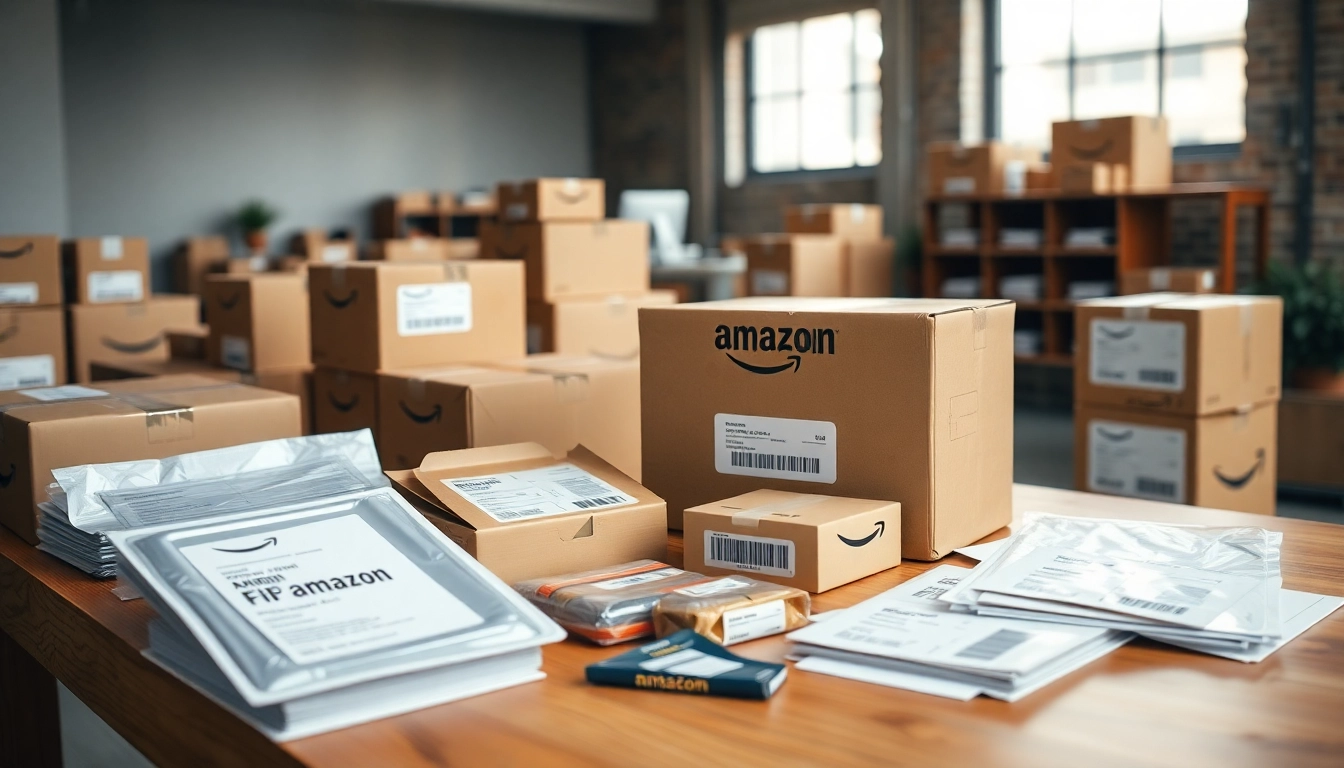
The Fulfillment by Amazon (FBA) service allows sellers to store their products in Amazon's warehouses. In return, Amazon handles storage, packaging, and shipping on behalf of the sellers. However, to successfully leverage this service, understanding the Amazon FBA Packaging requirements is crucial. Proper packaging ensures your products arrive safely at customers’ doorsteps while meeting Amazon's exacting standards.
What is Amazon FBA Packaging?
Amazon FBA packaging refers to the specific guidelines that sellers must follow when preparing their products for shipment to Amazon's fulfillment centers. These guidelines encompass what materials can be used, how items must be packaged, and how labeling should be executed to ensure smooth processing at the fulfillment centers. The ultimate goal is to enhance customer satisfaction by ensuring that products are received undamaged and presentable.
Key Specifications for Packaging
Understanding the key specifications for Amazon FBA packaging is vital. The main points include:
- Box Requirements: All products must be shipped in sturdy, six-sided boxes that are completely closed and sealed to prevent damage.
- Weight and Size Restrictions: Each box must not exceed 50 lbs in weight and should meet specific size parameters, avoiding exceeding a maximum dimension of 25 inches on any side.
- Material Quality: Ensure the materials used can withstand various handling conditions to avoid product damage.
- Labeling: Each item must have a barcode visible on the exterior for easy scanning, ensuring efficient tracking and inventory management.
Common Mistakes to Avoid
While preparing products for FBA, sellers often make several common mistakes. Being aware of these pitfalls can save time and resources:
- Using insufficient or damaged packaging that does not meet Amazon's specifications.
- Ignoring labeling requirements, which leads to delays in product listing or inventory tracking.
- Packing too many items in one box, exceeding the weight or size limits.
- Omitting cushioning or protective materials, which may lead to product damage during shipping.
Choosing the Right Packaging Materials
Choosing the appropriate packaging materials for your products is a critical step for successful Amazon FBA sales. The right materials not only protect the product but also enhance the customer experience.
Types of Packaging Materials
Different types of packaging materials serve distinct purposes:
- Cardboard Boxes: These are the most commonly used for shipping, offering sturdy protection for most items.
- Plastic Bags: Ideal for smaller items, using poly bags can help keep products clean and dry, especially when shrink-wrapped properly.
- Cushioning Materials: Bubble wrap, packing peanuts, or foam can prevent products from moving around inside the box, reducing the risk of damage.
Eco-friendly Options for Packaging
With increasing awareness of environmental issues, sellers can explore sustainable packaging options. Options include recyclable cardboard, biodegradable packing peanuts, and compostable poly mailers. These eco-friendly choices not only support sustainability but also appeal to consumers who prioritize environmental responsibility in their purchasing decisions.
How to Secure Your Products Effectively
Properly securing your products is essential to ensure they reach the customer in their original condition. Important steps include:
- Ensuring that all items are adequately cushioned with protective materials to absorb shocks during shipping.
- Sealing boxes with high-quality packing tape to prevent accidental openings.
- Conducting a final inspection before shipment to confirm that all items are securely packed and labeled correctly.
Labeling Your Packages Correctly
Clearing the labeling process is crucial for seamless operations through Amazon's fulfillment centers. A well-labeled package facilitates faster processing and reduces the risk of delays.
Importance of Accurate Labeling
Accurate labeling of all products is critical for inventory tracking and order fulfillment. Inaccurate labels can result in lost inventory, delayed deliveries, and diminished customer satisfaction.
Best Practices for Label Placement
To avoid any possible issues, follow these best practices:
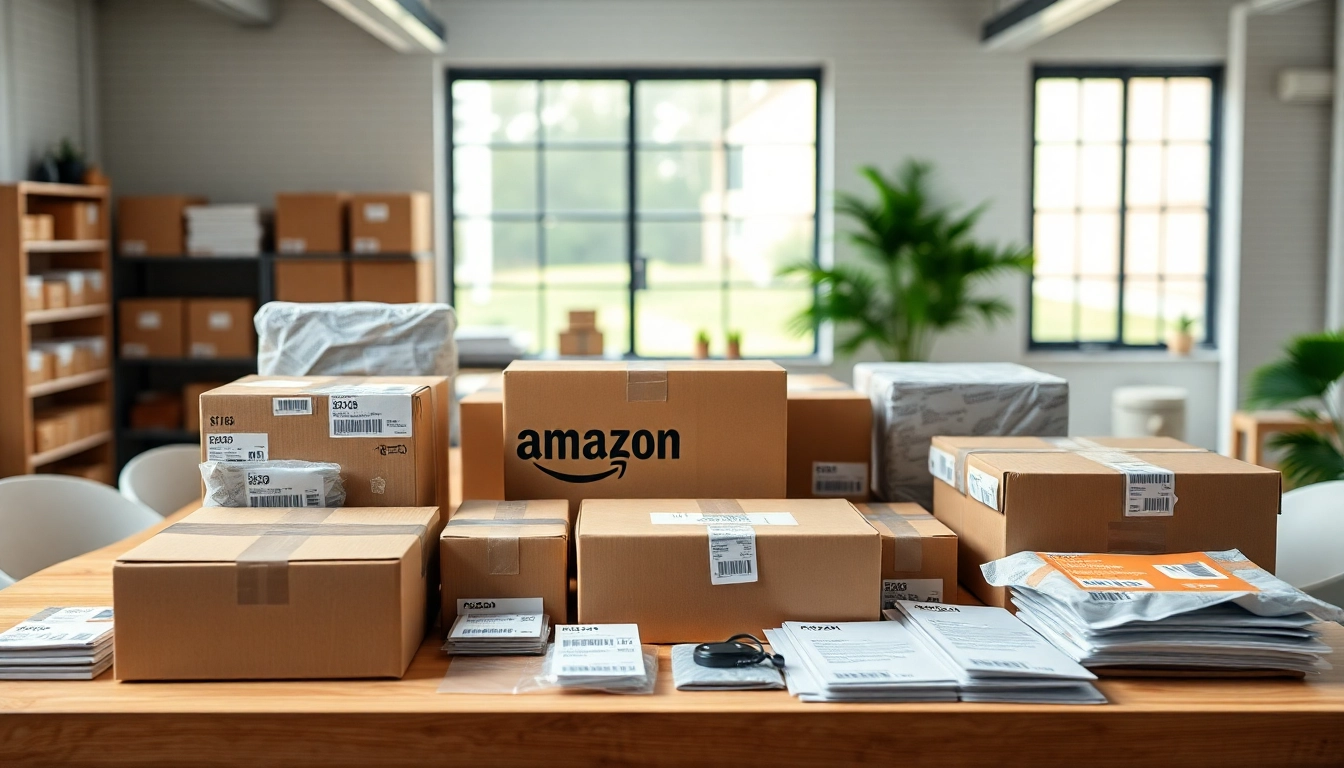
- Place labels on the largest side of the product where they’re clearly visible and unobstructed.
- Ensure the label adheres flatly without any wrinkles to prevent scanning issues.
- Avoid placing labels over seams or closures of boxes to maintain readability and integrity.
Common Labeling Errors
Frequently encountered labeling errors include:
- Using the incorrect format for barcodes, leading to scanning issues.
- Labels being placed improperly, rendering them unreadable.
- Neglecting to include FNSKU barcodes on individual units, which is mandatory for tracking.
Shipping and Fulfillment Best Practices
Efficient shipping and fulfillment processes optimize your FBA experience, leading to improved customer satisfaction and reduced operational costs.
How to Prepare for FBA Shipments
Proper preparation for your FBA shipments involves several critical steps:
- Audit your inventory to ensure that all items are ready for shipment and accurately stocked.
- Double-check packaging and labeling before sealing boxes, ensuring adherence to all Amazon guidelines.
- Book shipment plans ahead of time via the seller's portal to align with Amazon's receiving schedules.
Managing Inventory for Amazon FBA
Managing your inventory effectively is vital for maintaining stock levels and avoiding penalties due to overstocking or stockouts. Utilize inventory management tools to monitor stock levels, forecast demand, and plan reorders proactively.
Tips for Efficient Shipping Processes
Streamlining your shipping process can lead to more efficient operations:
- Consolidate shipments to minimize costs and ensure it aligns with Amazon's shipping requirements.
- Use tracking services to monitor shipments and address potential issues proactively.
- Consider partnering with reliable carriers for better rates and faster delivery options.
FAQs About Amazon FBA Packaging
What are the packaging requirements for Amazon FBA?
Amazon requires that items are securely packaged in strong, six-sided boxes and labeled with a scannable barcode visible on the outside. Boxes must not exceed 50 lbs and must adhere to dimension restrictions.
Can I use my own branded packaging?
Yes, sellers can use branded packaging as long as it meets Amazon's guidelines for size, weight, and labeling. This includes using Ships in Product Packaging (SIPP) for eligible products.
What are the guidelines for box dimensions?
Boxes should not exceed 25 inches on any side. Generally, ensure that the total weight does not exceed 50 lbs unless individual items are explicitly larger or heavier.
How should I label my Amazon FBA shipments?
Labels should be placed on the largest surface of the box, ensuring the barcode is flat and clear for scanning. Follow detailed specifications provided by Amazon for label format and placement.
Are there regulations for eco-friendly packaging?
While Amazon encourages sustainable practices, sellers must ensure that their eco-friendly packaging still meets all necessary shipping and preservation requirements. Always verify compliance with Amazon's guidelines.