Understanding the Essence of mantra88 in Mindfulness
In an era dominated by distractions, the practice of mindfulness has emerged as a sanctuary for mental and emotional well-being. At the heart of this practice lies the concept of mantra88, a tool that enhances meditation and encourages a deeper connection with oneself. Mantras, often a repetitive sound, phrase, or word, have been employed for centuries to focus the mind and foster spiritual growth. As we delve into the essence of mantra88, we will explore its significance within mindfulness practices, its historical roots, and the myriad benefits it brings to daily meditation routines.
What is mantra88 and Its Importance in Meditation?
Mantra88 can be described as a specific set of syllables or phrases that carry profound meaning and intention. In meditation, these mantras serve as focal points for thoughts, allowing practitioners to achieve a tranquil mental state. Unlike other forms of meditation that may involve visualizations or breath counting, mantra meditation emphasizes sound and repetition, which can create vibrations that resonate within the body and mind. This practice not only aids in concentration but also cultivates a deeper sense of peace and grounding, essential for effective mindfulness.
Historical Context and Evolution of Mantras
The use of mantras can be traced back thousands of years to ancient cultures, particularly in Hinduism and Buddhism. Early texts, like the Vedas and Upanishads, illustrate the power of sound and intention in spiritual practices. Over centuries, these concepts have evolved and expanded across various cultures, adapting to different spiritual practices and beliefs. The modern interpretation of mantra meditation, such as mantra88, integrates these ancient teachings with contemporary mindfulness approaches, ensuring relevance for today's practitioners.
Benefits of Incorporating mantra88 into Daily Practice
- Enhanced Focus: Repeating mantra88 can help clear mental clutter, allowing individuals to concentrate on the present moment.
- Stress Reduction: The rhythmic nature of mantra meditation can promote relaxation responses in the body, reducing stress and anxiety.
- Emotional Stability: Regular practice fosters resilience, helping individuals manage their emotions better and cultivating a more balanced outlook on life.
- Spiritual Connection: Engaging with mantra88 can deepen one’s connection to their spiritual beliefs, providing a sense of community and support.
Creating a Personal Space for Mindfulness
Establishing a dedicated space for meditation is essential for a successful practice. Whether you're a novice or an experienced practitioner, a tranquil environment can significantly enhance your mindfulness sessions. Here are suggestions to help you design your meditation corner, making it conducive for mantra meditation.
Designing a Meditation Corner at Home
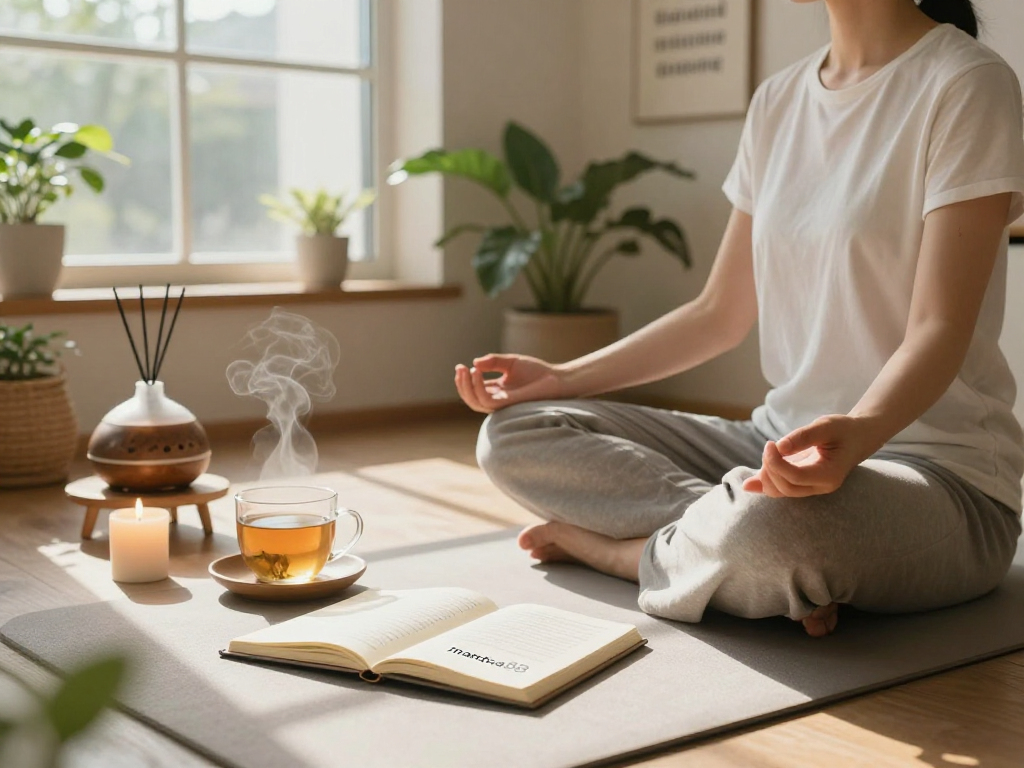
Begin by selecting a quiet, peaceful area of your home where you can meditate without interruptions. Ideally, this space should be comfortable and inviting. Consider using soft cushions or a meditation mat, and arrange them in a way that feels natural. Adding elements such as plants, candles, or artwork that inspires tranquility can further enhance the ambiance, creating an inviting haven for your practice.
Essential Tools and Props for Meditation
While meditation can be practiced with little to no tools, certain props can enhance your experience. Here are a few essentials to consider:
- Meditation Cushion: Provides comfort and support during longer sessions.
- Timer: Helps track meditation duration without the need to check your phone.
- Journals: Keeping a meditation journal allows you to reflect on your thoughts and progress.
- Sound Tools: Bells, bowls, or other instruments can serve as a starting signal for your practice.
Utilizing Natural Light and Ambiance
Lighting plays a crucial role in setting the mood for mindfulness. Whenever possible, utilize natural light to create an inviting atmosphere. If natural light is limited, consider soft artificial lighting options or candles to promote a calming environment. Additionally, incorporating soothing scents, such as essential oils or incense, can enhance your sensory experience, making your practice even more enriching.
Implementing mantra88 in Your Daily Routine
Consistency is key in cultivating a meaningful mindfulness practice. By systematically integrating mantra88 into your daily routine, you can reap its numerous benefits and foster a deeper sense of awareness.
Steps to Begin Your Meditation Practice
Starting your meditation practice doesn’t have to be overwhelming. Follow these steps to incorporate mantra88 effectively:
- Find Your Mantra: Choose a phrase or sound that resonates with you personally.
- Set a Time: Determine a specific time each day for your meditation practice, opting for the morning or evening when you are less likely to be disturbed.
- Begin Slowly: Start with shorter sessions of about 5-10 minutes, gradually increasing the duration as you become more comfortable.
- Stay Present: Focus on the sound of your mantra, letting go of distractions and thoughts that may arise.
Setting Realistic Goals for Mindfulness
Establishing achievable goals for your mindfulness practice can bolster your motivation and commitment. Consider setting daily or weekly objectives, such as increasing meditation duration or exploring new mantras. Furthermore, reflect on your progress regularly, adjusting your goals as needed to keep your practice fresh and engaging.
Tracking Progress and Reflecting on Growth
Maintaining awareness of your mindfulness journey is essential for personal growth. Utilize your meditation journal to document your thoughts, feelings, and experiences after each session. This reflection process not only aids in tracking improvements but also fosters a deeper understanding of your meditation practice and its impact on your life.
Overcoming Challenges in Mindfulness Practice
Many practitioners encounter obstacles while trying to maintain a consistent meditation practice. Recognizing these challenges can help you devise effective strategies to overcome them.
Common Obstacles to Sustaining Meditation Habits
Time constraints, distractions, and self-doubt are common barriers to maintaining a meditation practice. Acknowledging these obstacles is the first step towards overcoming them. Instead of viewing them as roadblocks, consider them opportunities for growth and learning.
Strategies for Staying Focused and Present
To enhance your focus during meditation, try these strategies:
- Limit Distractions: Choose a quiet space, and silence your phone to minimize interruptions.
- Practice Mindful Breathing: Begin your sessions with deep, intentional breaths to ground yourself.
- Use Guided Meditations: Consider using recordings or apps that offer guided sessions to help keep you on track.
Seeking Support: Community and Resources
Engaging with a community can provide added motivation and support in your mindfulness journey. Explore local meditation groups, online forums, or social media communities to share experiences, seek guidance, and hold yourself accountable. Resources like books, apps, and videos can also offer valuable insights and inspiration.
The Future of Mindfulness and mantra88 Practices
As we look toward 2026, the landscape of mindfulness is evolving, bringing new opportunities and innovations to practitioners of all levels. Understanding forthcoming trends can help you stay ahead on your mindfulness journey.
Emerging Trends in Mindfulness for 2026
In the coming years, anticipate an increase in the utilization of technology to enhance mindfulness practices. This may include virtual reality experiences that immerse users in tranquil environments or artificial intelligence-driven applications that tailor content to individual preferences.
Innovative Techniques and Technologies
With advancements in neuroscience and psychology, expect to see novel techniques that integrate cutting-edge research into mindfulness practices. This may involve biofeedback mechanisms to help practitioners gauge their mental states or tools that combine mindfulness with physical fitness routines.
Expert Insights on the Evolution of Meditation
Experts in mindfulness and meditation emphasize the importance of adaptability as practices continue to evolve. They encourage practitioners to remain open-minded, exploring diverse approaches to find what resonates best for their personal journey. The future of mindfulness is poised to be inclusive and accessible, inviting individuals from all walks of life to engage with their mental and emotional well-being.