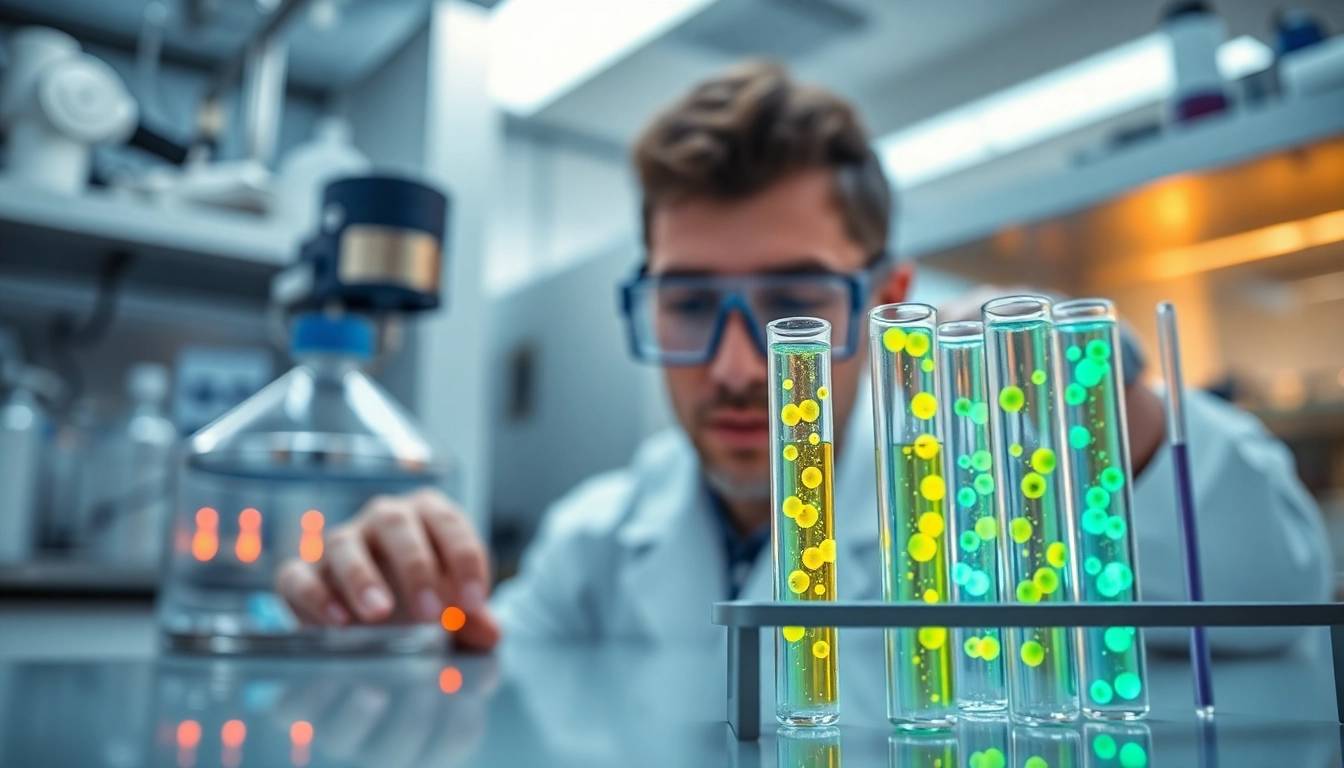
Understanding Peptides and Their Importance
Peptides are short chains of amino acids, typically consisting of 2 to 50 amino acids linked by peptide bonds. They play a crucial role in various biological functions and are essential for the structure and function of proteins. In the context of peptide research, understanding the complexity and significance of peptides is imperative for advancements in medicine and biotechnology.
Definition and Structure of Peptides
Peptides are composed of amino acids—the building blocks of proteins, which are organic compounds made of carbon, hydrogen, oxygen, nitrogen, and sometimes sulfur. The sequence of amino acids determines a peptide's properties and functions, with each peptide featuring a unique sequence that dictates its biological role. Structurally, peptides can be linear or cyclic and can exist in various conformations, influencing their interaction with receptors and other molecules.
Types of Peptides in Research
Peptides can be classified into various categories depending on their function and structure, including:
- Signal Peptides: These are involved in cellular signaling and communication.
- Antimicrobial Peptides: Naturally occurring peptides that serve as a defense mechanism against pathogens.
- Hormonal Peptides: Involved in regulating physiological processes in the body.
- Neuropeptides: Function in the nervous system as neurotransmitters or modulators.
Applications of Peptides in Medicine
The versatility of peptides makes them suitable for various medical applications, including:
- Drug Development: Peptides are increasingly used in the design of novel therapeutics, including targeted cancer therapies and vaccines.
- Diagnostics: Peptides can serve as biomarkers for diseases, helping in early diagnosis and treatment monitoring.
- Therapeutics: Synthetic peptides are employed in treatments for conditions like diabetes, obesity, and inflammatory diseases.
The Process of Peptide Synthesis
Peptide synthesis has advanced significantly over the years, enabling researchers to create peptides with precision and efficiency. This section explores the main methods used in peptide synthesis and the subsequent steps necessary to produce high-quality peptides.
Methods of Producing Peptides
There are two primary methods for peptide synthesis: solid-phase synthesis and liquid-phase synthesis. Solid-phase synthesis is the most widely used technique, where amino acids are sequentially added to a growing peptide chain attached to a solid support, facilitating purification. Liquid-phase synthesis, on the other hand, is less common but allows for the synthesis of longer peptides and larger quantities.
Purification Techniques Explained
Once peptides are synthesized, purification is crucial to remove impurities and by-products. Common purification methods include:
- High-Performance Liquid Chromatography (HPLC): This technique separates peptides based on their sizes and properties, ensuring high purity.
- Gel Filtration Chromatography: Utilizes a gel matrix to separate peptides based on molecular weight.
- Ion-Exchange Chromatography: Separates peptides based on their charge, providing another layer of purification.
Quality Control in Peptide Manufacturing
Quality control is paramount in peptide manufacturing to ensure that the final product meets the required specifications. Techniques such as mass spectrometry, analytical HPLC, and amino acid analysis are employed to verify the identity, purity, and concentration of peptides.
Research Applications of Peptides
Peptides play a pivotal role in various areas of research, particularly in drug development, diagnostics, and the exploration of biotechnological advancements. Their unique properties confer versatility that is crucial in scientific studies.
Peptides in Drug Development
Peptide-based therapeutics have gained attention due to their specificity and lower side effects compared to traditional small-molecule drugs. Many peptides are currently undergoing clinical trials for treatment in oncology, metabolic disorders, and autoimmune diseases, showing promising results.
Diagnostics and Therapeutics
Peptides serve as key components in diagnostic kits and therapeutic products. For instance, peptide-based assays can help detect specific disease markers, facilitating early diagnosis and timely intervention.
Peptides in Biotechnological Advancements
The integration of peptides in biotechnological applications is expanding. Peptides are utilized in vaccine development, targeted drug delivery systems, and biosensors, enhancing the effectiveness of therapeutic strategies and diagnostic tools.
Challenges in Peptide Research
Despite the potential of peptides in research and medicine, several challenges hinder their development and utilization. Understanding these obstacles is vital for researchers aiming to innovate and improve peptide-based applications.
Stability and Solubility Issues
Peptides can be prone to degradation under certain conditions, affecting their stability and solubility. Researchers must optimize formulations and storage conditions to maintain peptide integrity throughout their use.
Ethical Considerations
Ethical considerations in peptide research include the sourcing of biological materials and animal testing. Adhering to ethical guidelines and seeking alternative methods is critical in ensuring responsible research practices.
Funding and Resource Allocation
Securing funding for peptide research can be challenging. Researchers often face difficulties in obtaining grants, which can limit the scope of their investigations. Strategic planning and collaboration can help overcome funding challenges.
Future Trends in Peptide Research
As peptide research continues to evolve, several trends are emerging that promise to enhance our understanding and application of these biomolecules. It is crucial to keep an eye on these developments to stay ahead in the field.
Emerging Technologies in Peptide Development
Technological advancements such as high-throughput screening and artificial intelligence are revolutionizing the way peptides are designed and synthesized. These innovations enable researchers to predict peptide interactions and optimize their efficacy.
Potential New Applications
New applications for peptide research are emerging across various fields, including immunotherapy, gene editing, and environmental biotechnology. Such developments have the potential to address critical global health challenges.
Collaboration Across Disciplines
The complexity of peptide research necessitates collaboration among chemists, biologists, and medical professionals. Interdisciplinary approaches are crucial for addressing the multifaceted challenges in the field and advancing knowledge.
Frequently Asked Questions
What are peptides?
Peptides are short chains of amino acids that play various biological roles, including acting as hormones, neurotransmitters, and signaling molecules.
How are peptides synthesized?
Peptides can be synthesized through solid-phase synthesis or liquid-phase synthesis, with solid-phase synthesis being the more commonly used technique.
What are the applications of peptides?
Peptides are used in drug development, diagnostics, therapeutics, and biotechnological advancements, showcasing their versatility in medicine.
What challenges does peptide research face?
Peptide research faces challenges such as stability and solubility issues, ethical considerations, and difficulties in securing funding for projects.
What is the future of peptide research?
Future trends in peptide research include emerging technologies for peptide development, new applications in healthcare, and increased collaboration across scientific disciplines.