Understanding Roof Cleaning
Roof cleaning is an essential aspect of home maintenance that is often overlooked. Cobbled with dirt, moss, algae, and other debris, your roof can become a breeding ground for pests, which may lead to damages not just to the roof itself but also to the overall structural integrity of your home. For those looking to enhance their home’s curb appeal and longevity, regular Roof Cleaning should be a part of your maintenance routine. This article will explore the importance of roof cleaning, its methods, associated costs, maintenance best practices, and answer some frequently asked questions.
Why Roof Cleaning is Essential
The roof is one of the most vital components of your home, providing protection against harsh weather, insulation, and structural integrity. Over time, your roof accumulates organic matter such as moss, algae, and lichen, which can hold moisture. This moisture can lead to detrimental effects, including:
- Decreased Lifespan: Organic growth can weaken roofing materials, significantly shortening their lifespan.
- Energy Inefficiency: A dirty roof can affect your home's energy efficiency as it prevents ventilation and insulation.
- Structural Damage: Left unchecked, moss and algae can penetrate shingles, leading to leaks and severe structural damage.
Regular cleaning not only prolongs your roof's life but also improves your home's first impression, enhancing its market value.
Common Types of Roof Cleaning
There are several methods for cleaning roofs, each with specific advantages and uses. The most common types include:
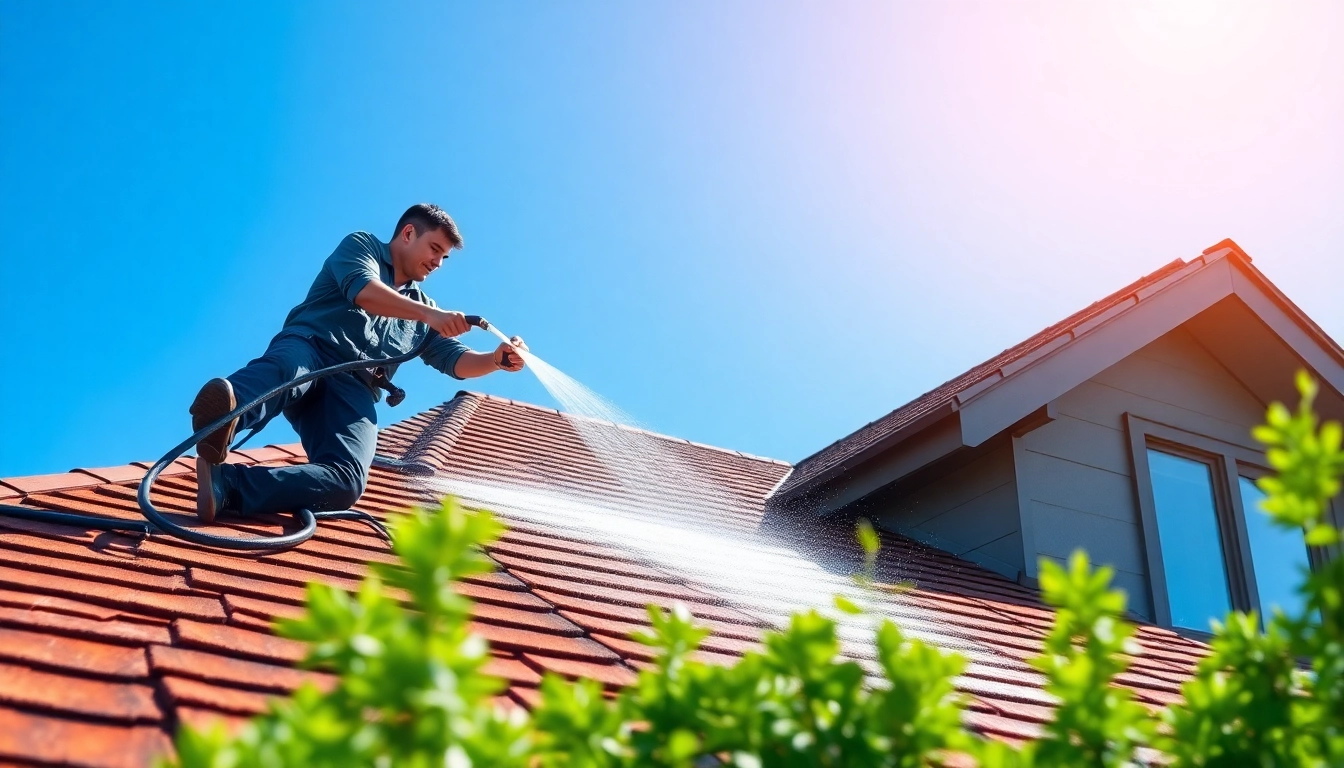
- Soft Washing: This technique uses low-pressure water combined with eco-friendly cleaning solutions to safely remove dirt and stains.
- Pressure Washing: A more aggressive method that uses high-pressure water jets to eliminate debris but can risk damaging shingles if not done correctly.
- Chemical Treatment: Involves applying specialized chemicals to kill mold and algae and can be particularly effective for extensive infestations.
Signs Your Roof Needs Cleaning
Identifying when to clean your roof is crucial for its upkeep. Look for these signs:
- Visible discoloration on tiles or shingles.
- Presence of moss, algae, or lichen growth.
- Debris accumulation, such as leaves and sticks.
- Pest infestations, particularly in damp or shaded areas.
If you observe any of these indicators, it is time to consider roof cleaning to prevent further damage.
Methods of Roof Cleaning
Soft Washing Techniques Explained
Soft washing is considered the most effective and safest method for cleaning roofs. The process involves using low-pressure water mixed with specialized cleaning solutions that target algae and moss:
- Preparation: Surrounding areas are protected, and equipment is set up.
- Application: The cleaning solution is sprayed across the roof's surface.
- Rinse: Once the solution has worked its magic for an appropriate amount of time, the roof is gently rinsed.
This method not only cleans the roof but also ensures that the lifespan of the roofing materials is significantly prolonged, reducing the likelihood of future growth.
Pressure Washing: Pros and Cons
While pressure washing can sometimes be effective, it has its disadvantages:
- Quick removal of heavy debris.
- Effective against stubborn stains.
- Can damage shingles if not done with proper technique.
- May lead to water intrusion under shingles.
If opting for pressure washing, it’s advisable to consult professionals to minimize risks.
DIY vs. Professional Roof Cleaning
Homeowners often wonder whether they should DIY their roof cleaning or hire a professional. Here are factors to consider:
- Experience: Professionals have the knowledge and equipment to perform roof cleaning safely.
- Cost-effectiveness: While DIY might seem cheaper, costly mistakes can lead to even more expensive repairs.
- Duration: Professionals can often complete the job in less time than a DIY effort would take.
For optimal results and safety, professional roof cleaning is often the best route.
Costs Associated with Roof Cleaning
Average Roof Cleaning Costs
The cost of roof cleaning can vary significantly based on various factors such as size, material, and location. Generally, homeowners can expect to spend anywhere from:
- $200 to $600 for standard residential roofs.
- $600 to $1,200 for larger homes or those with extensive mold or algae.
Factors such as accessibility and roof pitch can also affect pricing.
Factors Influencing Roof Cleaning Prices
Several factors influence the overall cost of roof cleaning, including:
- Roof Size: Larger roofs require more time, materials, and labor.
- Roof Type: Certain roofing materials may be more challenging and require special cleaning techniques.
- Extent of Cleaning Needed: Heavy stains or organic growth will require more intensive cleaning methods.
It is always wise to request multiple quotes from professionals to find an accurate price for your specific needs.
Insurance and Warranties for Roof Cleaning
Many homeowners are unaware that roof cleaning can affect their home insurance and warranties. Here are key points to consider:
- Check if cleaning is included in your homeowner's policy.
- Some warranties may require regular maintenance, including cleaning to remain valid.
Always consult your insurance provider and warranty documents before proceeding with any cleaning service.
Best Practices for Roof Maintenance
Preventative Measures for a Longer Life
To prolong your roof's lifespan, consider these preventative measures:
- Regular inspection every six months.
- Keep gutters clean to ensure proper drainage.
- Trim overhanging branches that may obstruct sunlight and promote moss growth.
How to Prepare for Roof Cleaning
Preparation can greatly enhance the effectiveness of roof cleaning. Here’s how to prepare:
- Clear debris from the roof and surrounding areas.
- Ensure that gutters and downspouts are unclogged.
- Notify neighbors of the cleaning schedule, especially if it involves heavy equipment.
Post-Cleaning Care for Your Roof
After cleaning, it’s essential to maintain your roof. Consider the following:
- Inspect your roof for any damage that may have been hidden under debris.
- Apply a protective coating if necessary to guard against future growth.
- Schedule regular follow-up cleanings to maintain cleanliness.
Frequently Asked Questions About Roof Cleaning
How often should I clean my roof?
It’s advisable to clean your roof at least once a year, with semi-annual cleanings recommended in humid or dry climates to prevent algae and moss growth.
What chemicals are used in roof cleaning?
Common chemicals include sodium hypochlorite and biodegradable detergents specifically designed to eliminate mold and algae without harming the roofing material.
Will roof cleaning damage my shingles?
When done correctly using soft washing techniques, roof cleaning should not damage shingles. Improper pressure washing, however, can cause harm.
Can I clean my roof during winter?
It's not recommended to clean roofs during winter as icy conditions can make rooftops slippery and increase the risk of injury.
How long does roof cleaning last?
The effects of roof cleaning can last anywhere from one to three years, depending on factors such as local climate and tree cover affecting moss growth.