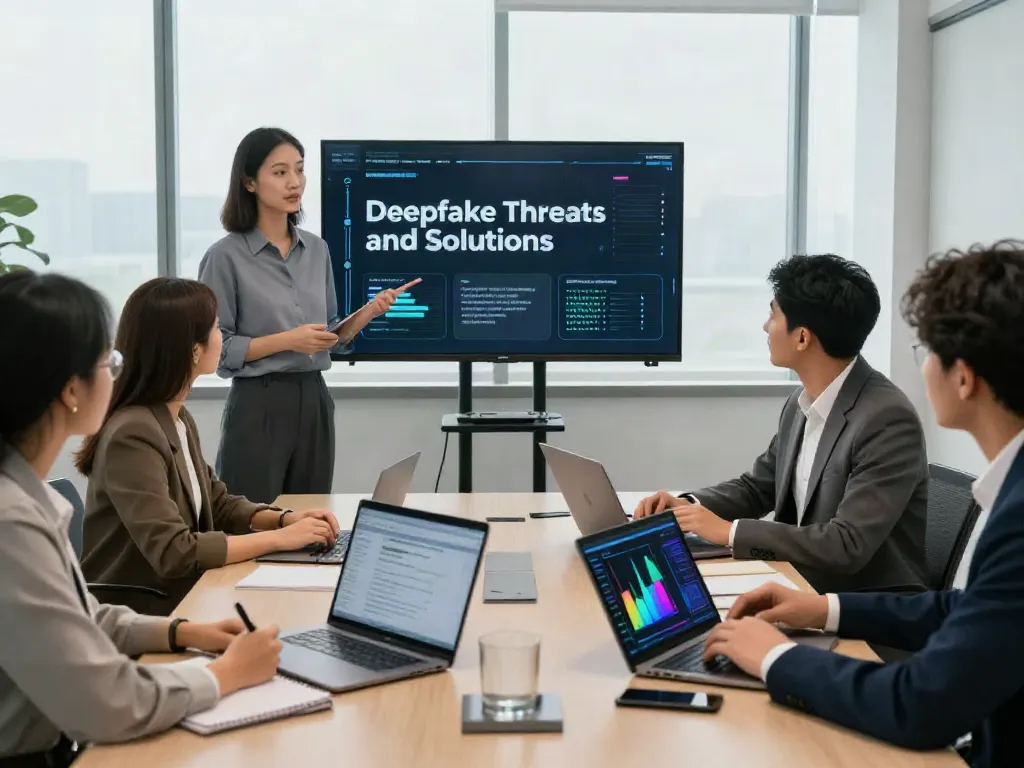
Understanding Deepfakes and Their Implications
As technology advances, so do the methods of deception, particularly in the digital realm. Deepfake technology, which uses artificial intelligence to create lifelike but fabricated videos and audio, presents unique challenges to security, especially in corporate environments. With the rise of remote work and virtual meetings, ensuring the authenticity of participants has never been more critical. The emergence of Deepfake protected meetings is poised to address these vulnerabilities, providing robust solutions to mitigate the risks associated with deepfakes.
What Are Deepfakes?
Deepfakes are synthetic media generated using machine learning algorithms, particularly deep learning technologies. They can produce videos where individuals appear to say or do things they never actually did. This capability emerged from advancements in Generative Adversarial Networks (GANs), which pit two neural networks against each other to enhance the accuracy of the generated content. The implications of deepfakes extend beyond mere entertainment; they can compromise privacy, manipulate public opinion, and wreak havoc on corporate security.
The Evolution of Deepfake Technology
Deepfake technology has evolved rapidly since its inception around 2017. Initially used for harmless entertainment, its application has grown more sinister, with instances of political misinformation and fraud becoming alarmingly common. As algorithms have improved, so too has the quality of deepfakes, making them increasingly difficult to detect. In recent years, developments in real-time face-swapping technology have further heightened the stakes, enabling live deepfake interactions in digital meetings, potentially undermining the credibility of business communications.
Common Misconceptions About Deepfakes
Despite their growing prevalence, there are several misconceptions about deepfakes. One major misunderstanding is that all deepfakes are inherently malicious. While many are created for negative purposes, such as misinformation or fraud, others are used for legitimate artistic and entertainment endeavors. Furthermore, some people believe that deepfake detection is straightforward; however, as the technology advances, so too do the methods of creation and obfuscation, making detection increasingly complicated.
Challenges in Ensuring Meeting Security
With the widespread adoption of virtual meetings, organizations face unprecedented challenges in ensuring the security and integrity of these communications. Identifying deepfake threats within a meeting context is crucial, as even a single undetected impostor can lead to significant data breaches and financial losses.
Identifying Threats in Virtual Meetings
One of the first steps in safeguarding virtual meetings is to understand the potential threats posed by deepfakes. Attendees must be vigilant about verifying identities through multiple channels, especially when sensitive or proprietary information is discussed. Furthermore, hosts must implement policies to ensure attendees' identities are confirmed before discussions begin.
Typical Vulnerabilities in Corporate Settings
Corporate environments are rife with vulnerabilities that deepfake technology can exploit. Key vulnerabilities include:
- Lack of verification protocols: Many organizations do not require secondary verification methods to confirm attendees' identities.
- Inadequate training: Employees may not be trained to recognize the signs of deepfake technology, increasing the risk of falling victim to impersonation.
- Insufficient use of security technology: Not utilizing comprehensive monitoring tools can leave organizations exposed to deepfake manipulation.
Real-World Impact of Deepfake Scenarios
The impact of deepfakes can be staggering. From high-profile cases of political misinformation to breaches in corporate governance, the consequences of undetected deepfakes can span reputational damage, financial loss, and legal ramifications. A notable example occurred in 2020 when a deepfake audio clip of a CEO was used to instruct a subordinate to transfer funds to a fraudulent account, resulting in a significant financial loss for the company.
Best Practices for Protecting Meetings
To safeguard against deepfake risks, organizations must adopt best practices that integrate advanced technology and employee training. These measures can significantly enhance the security of virtual meetings.
Implementing Advanced Authentication Systems
One of the most effective ways to counter deepfake threats is through the implementation of robust authentication systems. Multi-factor authentication (MFA) adds an additional layer of security, requiring users to provide two or more verification methods before accessing the meeting. This significantly reduces the likelihood of unauthorized access.
Using AI-Driven Monitoring Tools
AI-driven monitoring tools can analyze participants' video feeds in real-time, identifying anomalies that may indicate the presence of deepfakes. These systems can flag suspicious behavior, such as inconsistent lip movements or unnatural facial expressions, alerting hosts to potential risks before confidential information is shared.
Training Teams on Deepfake Awareness
Employee training is crucial in combating deepfake threats. Organizations should conduct regular training sessions to educate staff on identifying deepfake technology and implementing safe practices. Awareness campaigns can also promote a culture of vigilance, encouraging employees to verify attendees' identities proactively.
Case Studies on Deepfake Protection
Examining real-world examples can provide valuable insights into the effectiveness of deepfake protection strategies within corporate settings.
Successful Implementations by Leading Firms
Many leading organizations have successfully implemented deepfake protection technologies. For instance, a global financial institution adopted an AI-driven monitoring system for its virtual meetings, which significantly reduced incidents of unauthorized access and deepfake exploitation. This proactive approach not only safeguarded sensitive information but also strengthened their overall cybersecurity framework.
Lessons Learned from Security Breaches
Case studies reveal common lessons learned from deepfake-related security breaches. Organizations that failed to implement robust verification protocols often faced severe consequences, including data loss and financial penalties. The key takeaway is that proactive measures are far more effective than reactive responses.
Innovations in Meeting Security Technologies
Innovation in meeting security technologies is essential in the fight against deepfakes. New tools that combine biometric detection, AI, and deep learning are being developed to provide comprehensive security solutions. These emerging technologies not only aim to detect deepfakes but also to prevent their creation and distribution.
The Future of Deepfake Protected Meetings
As we approach 2026, the landscape of deepfake technology and meeting security will continue to evolve. Understanding these future trends can help organizations prepare for the challenges that lie ahead.
Predictions for 2026 and Beyond
By 2026, we can expect deepfake technology to become even more sophisticated, necessitating equally advanced security solutions. Organizations will likely adopt hybrid models that combine traditional security measures with AI-driven solutions to ensure the integrity of their meetings.
Emerging Technologies in Meeting Security
Innovative technologies, including blockchain for secure identity verification and advanced data analytics for real-time threat detection, will likely emerge as essential components of meeting security. These technologies promise to create a more secure environment for virtual communications.
Strategies for Continued Adaptation
Organizations must remain adaptable, continuously assessing their security measures in light of evolving threats. Regular audits of security protocols, coupled with employee retraining and updated technology, will be key strategies for maintaining robust defenses against deepfake threats.
What Can Leaders Do to Prepare?
Leaders play a crucial role in preparing their organizations for the future of deepfake protected meetings. By fostering a culture of security awareness, investing in advanced technologies, and advocating for continuous learning among employees, leaders can create a resilient organization ready to tackle the challenges posed by deepfakes.