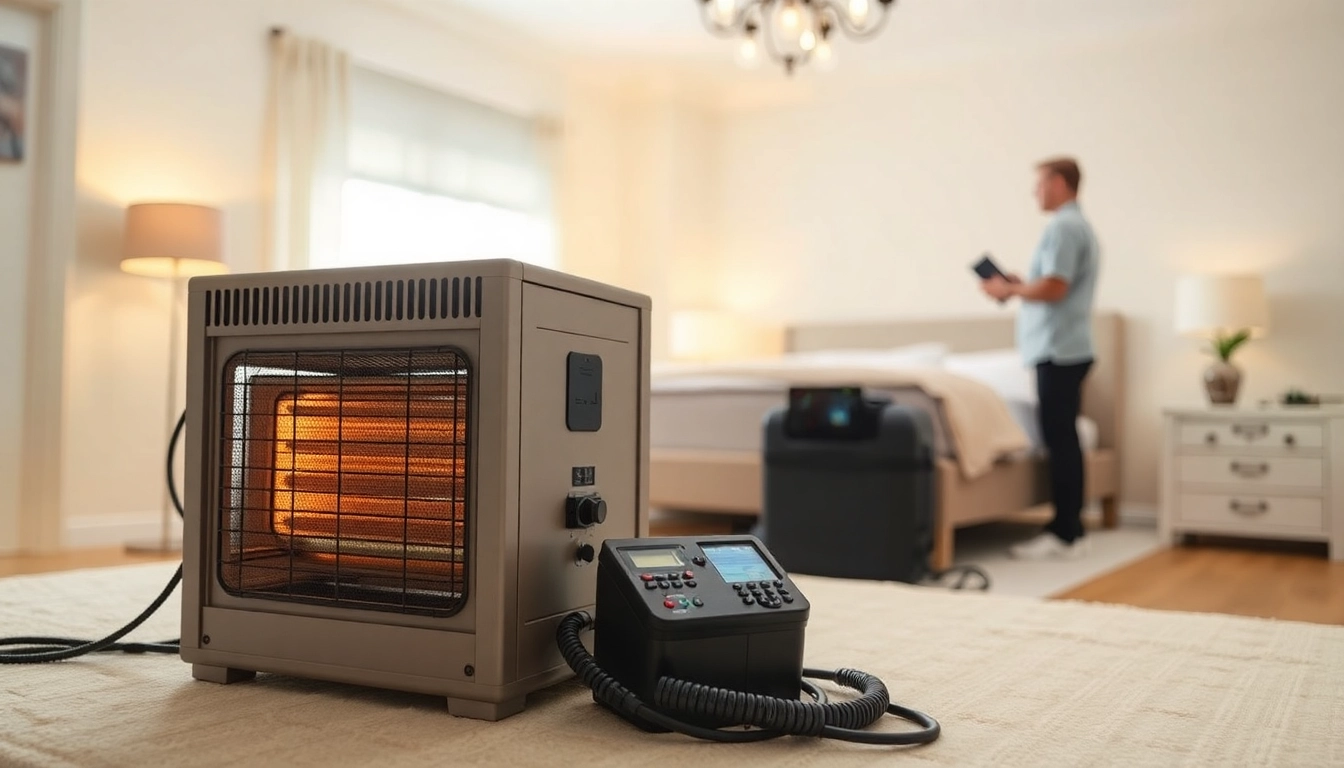
Understanding Bed Bug Heat Treatment
Bed bugs have become a persistent issue in households and enterprises alike. Among various methods available for combating these pests, the bed bug heat treatment has emerged as a favorite due to its effectiveness and non-toxic nature. This article delves into the intricacies of heat treatment for bed bugs, exploring what it is, how it works, and its substantial benefits.
What is Bed Bug Heat Treatment?
Bed bug heat treatment is a pest management technique that involves raising the temperature in an infested area to levels lethal to bed bugs. This approach is particularly effective as it can eliminate all life stages of the bug, from eggs to adults, without relying on chemicals. The treatment typically incorporates specialized heating equipment designed to maintain precise temperature levels over an extended period.
How Does it Work?
The efficacy of heat treatment lies in its ability to disrupt the physiological functions of bed bugs. When exposed to temperatures of 120°F (49°C) or higher, bed bugs can experience thermal shock, leading to their demise. Treatments usually involve heating spaces to between 130°F and 150°F (54°C to 65°C) and maintaining this temperature for several hours to ensure thorough extermination.
Benefits of Using Heat Treatment
One of the primary advantages of bed bug heat treatment is its non-toxic nature. Unlike chemical treatments, which can leave harmful residues, heat treatment is safe for both humans and pets when performed correctly. Furthermore, heat treatment penetrates deep into furniture and walls, reaching bugs hidden away in cracks and crevices, ensuring comprehensive eradication.
Preparing for Bed Bug Heat Treatment
Successful heat treatment requires careful preparation to maximize efficacy and minimize risks. Initial assessments, area clearance, and adherence to pre-treatment guidelines are crucial steps.
Initial Assessment and Inspection
Before initiating treatment, it is essential to conduct a thorough inspection of the affected area. Identifying the extent of the infestation helps tailor a strategy to effectively address the issue. This assessment should include checking common hiding spots such as mattresses, bed frames, carpets, and furnishings.
Clearing the Area
Once the assessment is complete, the next step involves clearing the area of any items that could impede the heat treatment. This includes moving furniture away from walls and removing clutter. Ensuring proper airflow is critical for achieving optimal heating conditions and ensuring the heat penetrates all areas.
Setting Pre-Treatment Guidelines
Educating residents or tenants about the treatment process is essential. Guidelines should cover the importance of vacating the premises during treatment, removing any combustible items, and informing residents about the temporary nature of the upheaval. Establishing clear communication can alleviate anxiety and streamline the process.
Executing Bed Bug Heat Treatment
Proper execution is vital to the success of bed bug heat treatment. This section outlines the steps involved in safely using equipment, monitoring temperatures, and ensuring safety during the process.
Using Equipment Safely
Specialized heaters designed for pest extermination are used during the treatment, with safety being paramount. It is essential to follow the manufacturer’s instructions rigorously. Equipment needs to be inspected to ensure it operates correctly, and all necessary safety measures should be in place to avoid risks of fire or equipment malfunction.
Monitoring Temperature and Duration
To effectively kill bed bugs, technicians must continuously monitor the temperature throughout the treatment. This is often done using temperature sensors that can provide real-time feedback. Maintaining a target temperature between 130°F and 150°F for a sustained duration—typically around 6-8 hours—is critical for success.
Staying Safe During Treatment
While the premises undergo treatment, safety precautions must be taken to protect individuals and pets. Ensuring that everyone has left the area, turning off utilities that could pose hazards, and maintaining proper ventilation can help mitigate risks associated with heat treatment.
Aftercare Following Bed Bug Heat Treatment
Post-treatment steps are essential for preventing re-infestation and maximizing the longevity of the treatment results. This section details the aftercare necessary for effective long-term bed bug management.
Inspecting for Remaining Pests
After the heat treatment, it is crucial to conduct a thorough inspection to confirm that all pests have been eradicated. While heat treatment is effective, cross-checking and vigilance are necessary to identify any bed bugs that may have escaped the initial treatment.
Best Practices for Maintenance
Post-treatment, homeowners should implement best practices to prevent future infestations. This includes routine cleaning, maintaining organized spaces, and employing encasements for mattresses and box springs. Regular inspections going forward can also help catch potential issues early.
When to Seek Professional Help
If indications of bed bugs persist weeks after treatment, it may be time to enlist professional help once again. Experienced pest control professionals can offer further assessments and tailored strategies to ensure the problem does not recur.
Frequently Asked Questions About Bed Bug Heat Treatment
How long does bed bug heat treatment take?
Bed bug heat treatment typically takes between 6 to 8 hours, depending on the severity of the infestation and the size of the area being treated.
Is bed bug heat treatment safe for pets?
Yes, bed bug heat treatment is safe for pets when executed correctly, as it is a chemical-free method of pest control.
What temperatures are needed for effectiveness?
A minimum temperature of 120°F (49°C) is required to effectively eliminate bed bugs and their eggs.
Can heat treatment damage my belongings?
Generally, heat treatment is safe for most items. However, sensitive materials like plastic may be damaged when exposed to high temperatures.
How can I prevent bed bugs after treatment?
To prevent bed bugs after treatment, maintain cleanliness, use protective mattress encasements, and reduce clutter.