The Benefits of Giant Building Blocks in Play
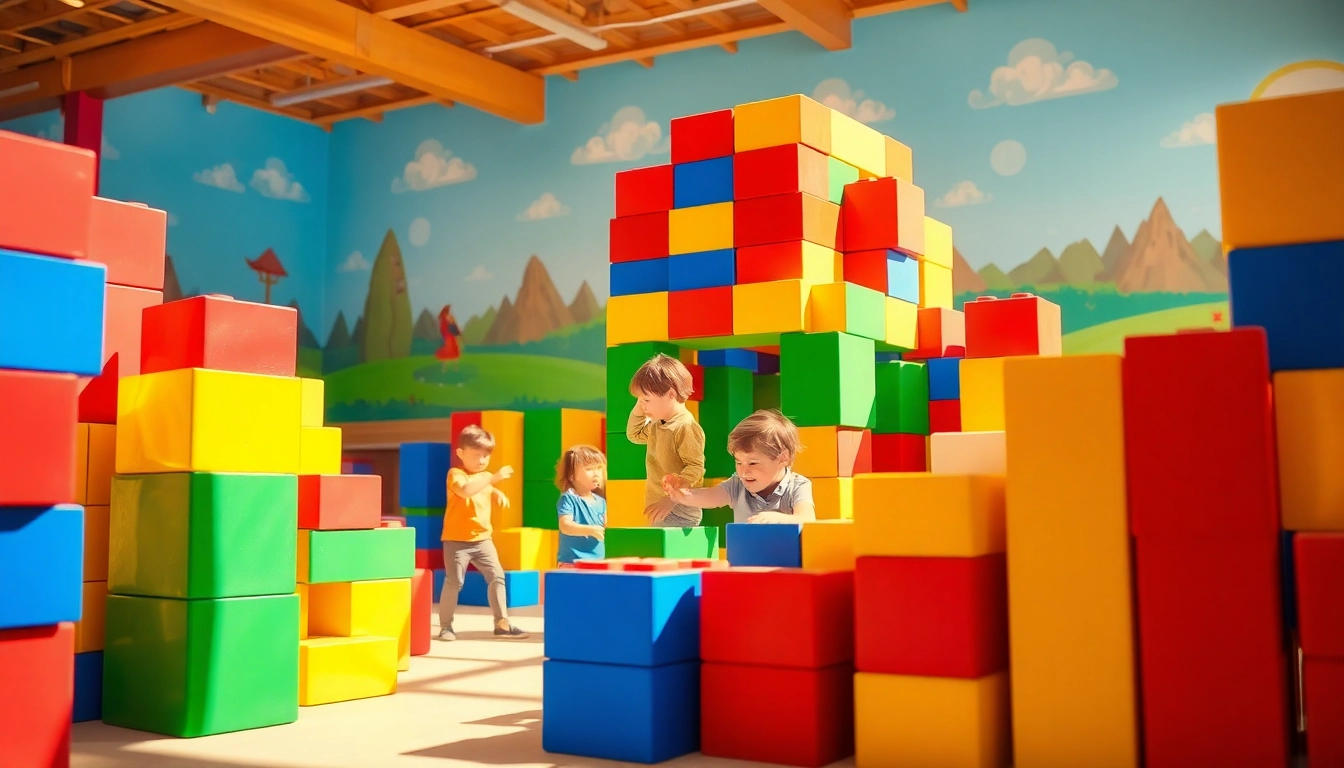
Giant building blocks have become a beloved staple in many homes and educational settings, captivating both children and adults alike. These playful constructions serve as more than just entertainment; they offer numerous developmental benefits that enhance children's growth in various aspects. Understanding these advantages can motivate caregivers and educators to incorporate them into playtime effectively. For those looking for comprehensive guidance on selecting the right blocks and play ideas, get the details of how to maximize their potential.
a. Cognitive Development Through Building
Building with giant blocks stimulates cognitive development through problem-solving, spatial reasoning, and creativity. As children manipulate various blocks, they engage in critical thinking to figure out how to construct stable structures. This hands-on experience fosters spatial awareness as they learn to visualize different configurations and see the consequences of their actions. Furthermore, as they create and re-create their structures, they develop memory skills by recalling past designs and adapting them into new creations.
b. Enhancing Motor Skills
The manipulation of large building blocks aids in the development of both fine and gross motor skills. As children lift, stack, and balance these large pieces, they enhance hand-eye coordination and muscle strength. For younger children, the challenge of building with bigger blocks is particularly beneficial as it encourages them to practice their movements without the frustration that smaller, traditional building blocks might present. The addition of construction play boosts their spatial abilities and dexterity.
c. Fostering Social Interaction
Play with giant blocks is inherently social, offering opportunities for teamwork and collaboration. When children work together to build something significant, they learn to communicate, share ideas, and negotiate. This form of play can help develop empathy and improve their interpersonal skills. Collaborative building projects also create a sense of community, as children become invested in achieving a common goal, whether constructing a fort, a tower, or an intricate maze.
Choosing the Right Giant Building Blocks
a. Materials and Safety Considerations
When choosing giant building blocks, safety is paramount. Most blocks are made from foam, plastic, or wood, and it's essential to ensure they are non-toxic and free from harmful materials. Foam blocks are popular due to their lightweight and soft design, which minimizes the risk of injury. Regardless of material, ensure that they are durable enough to endure the rigors of play and that they meet safety standards appropriate for children’s use.
b. Sizes and Shapes to Consider
Giant blocks come in various sizes and shapes, each offering different benefits. Larger blocks can be excellent for building fundamental structures and are easier for young children to manipulate. In contrast, blocks of varied shapes (like triangles, cylinders, and arches) encourage creativity and complexity in building. Therefore, having a diverse set of shapes can inspire children to think outside the box and refine their architectural skills.
c. Features That Engage Children
Engagement is crucial in retaining children's attention during play. Some giant building blocks come with additional features such as interlocking capabilities, textures, or vibrant colors that stimulate sensory exploration. These features help spark imagination, and blocks with audio components can even provide auditory feedback that adds an exciting dimension to playtime. Selecting blocks with various engaging attributes can keep children invested longer and encourage creative play.
Fun Indoor Play Ideas with Giant Blocks
a. Themed Building Challenges
Themed building challenges create a playful environment while providing structure to playtime. Themes could range from “Castles” to “Zoo Animal Enclosures,” each inspiring children to use their creativity toward a specific goal. These challenges can be adjusted based on age and skill level, making them versatile for children of different stages of development. Including rewards or recognitions can further motivate children to participate and strive for unique designs.
b. Team-Based Construction Games
Turning building into a team-based game promotes cooperation and bonding. Dividing children into teams to work on a single construction challenge fosters healthy competition while improving their team-working skills. Teams can be tasked with building the tallest tower or the most creative design within a specified time. This scenario not only fosters creativity but also encourages children to plan, delegate roles, and work together towards a common goal.
c. Storytelling with Building Blocks
Combining storytelling and block play leads to a dynamic and engaging experience. Encourage children to create settings or scenes from their stories using blocks, allowing them to bring their narratives to life. For example, they can build a pirate ship for a treasure hunt story or a cozy home for their knight's adventure. This method enhances language skills, creativity, and the ability to sequence events in a story, making it both fun and educational.
Setting Up an Indoor Block Play Area
a. Safety Measures and Space Requirements
Creating a dedicated play area for giant blocks is essential for safety and organization. Ensure the space is free from sharp objects, fragile items, or furniture that could cause injury. The play area should be spacious enough to allow for movement while children build, helping to prevent accidental collisions. Using soft area rugs or mats can cushion falls and create a comfortable atmosphere for children to play freely and creatively.
b. Organizing Blocks for Easy Access
Effective organization of building blocks enhances accessibility and encourages children to engage more. Use storage bins or shelves that are easily reachable for kids, allowing them to take out their blocks independently. Labeling bins can help them learn about organization and responsibility. Creating a designated area for each type of block can teach children to put away their toys correctly, fostering good habits while boosting their autonomy.
c. Creating a Stimulating Environment
To enrich the play experience, consider incorporating elements that stimulate creativity and exploration. Adding colorful wall designs, natural lighting, and art supplies can create a vibrant environment. Incorporating thematic decorations reflective of different play scenarios can inspire children to think creatively as they build. Background music or soundscapes can also enhance the atmosphere, making block play even more immersive and enjoyable.
Frequently Asked Questions About Giant Building Blocks
a. What age is appropriate for giant building blocks?
Giant building blocks are suitable for children as young as 1 year old. However, they offer benefits for all ages, especially when incorporated with challenges or themed activities.
b. How do I clean and maintain the blocks?
Cleaning giant blocks typically involves soap and water for foam and plastic materials. Ensure they are dried completely to maintain their durability and hygiene.
c. Can blocks be used outdoors as well?
Some giant building blocks are designed for outdoor use; however, check the manufacturer's specifications to ensure they are suitable for outdoor conditions and durable against weather elements.
d. Are there educational uses for giant blocks?
Yes, giant blocks can enhance STEM learning, creativity, and problem-solving skills. They can be integrated into lessons focusing on engineering and design concepts.
e. How many blocks should I buy for my kids?
The quantity depends on the number of children playing together. Typically, a set of around 30-50 blocks allows for collaborative and individual building without overcrowding.